Manyara National Park

Lake Manyara is a shallow lake in the the East Aftican Rift said by Ernest Hemingway to be the “loveliest [lake] … in Africa,”. It is also the home of a diverse set of landscapes and wildlife. While most known for baboons, the lake and its environs is also home to herbivores such as hippos, impalas, elephants, wildebeests, buffalo, warthogs and giraffes. Lake Manyara provides opportunities for ornithologists keen on viewing and observing over 300 migratory birds, including flamingo, Long-crested Eagle and Grey-headed Kingfisher.

Ngorongoro National Park

Ngorongoro Crater National Park – A Natural Wonder of Tanzania 🌍🐘

The Ngorongoro Crater is one of the most famous and spectacular natural wonders in Tanzania and Africa as a whole. Often referred to as the “Eighth Wonder of the World”, the Ngorongoro Conservation Area is a UNESCO World Heritage Site and home to an astonishing array of wildlife, landscapes, and geological features. The park is often considered a must-visit destination for anyone interested in Tanzania’s wildlife safaris and natural beauty.

Overview of Ngorongoro Crater

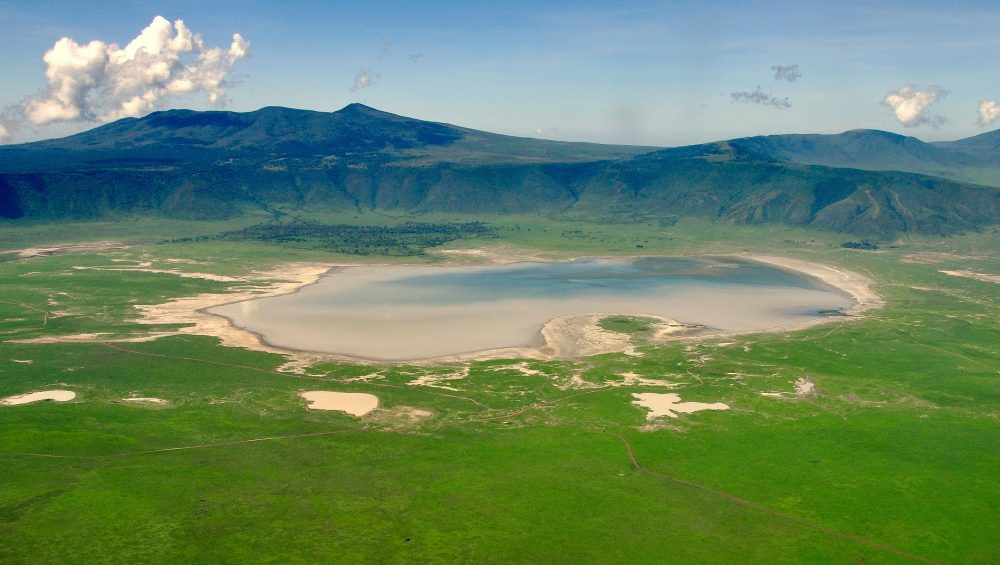
The Ngorongoro Crater is a collapsed volcanic caldera, formed millions of years ago when a large volcano exploded and collapsed in on itself. At approximately 265 square kilometers, it is one of the largest intact calderas in the world. The crater floor is home to a rich ecosystem of grasslands, forests, and lakes, supporting a wide range of wildlife, including the “Big Five” (lion, elephant, buffalo, leopard, and rhinoceros), as well as numerous bird species and other mammals.

The Ngorongoro Conservation Area includes the Ngorongoro Crater, the Olduvai Gorge, and surrounding highland areas. It’s also a living cultural landscape, home to the Maasai people, who coexist with the wildlife in the area.


🔹 Key Highlights of Ngorongoro National Park

1. Ngorongoro Crater Floor

  • The crater floor is often referred to as the “Garden of Eden” due to its lush vegetation and abundant wildlife. The floor is a natural sanctuary for animals, including elephants, zebras, wildebeests, and antelopes.
  • Lakes: There are small salt lakes on the crater floor, such as Lake Magadi, which attract flamingos and other bird species.

2. Wildlife Viewing

  • Big Five: Ngorongoro is one of the best places in Tanzania to see the Big Five in a single day.
  • Lions: The crater is famous for its high concentration of lions, and visitors can often spot prides hunting or lounging on the plains.
  • Rhinoceros: Ngorongoro is one of the few places where you can easily spot the endangered black rhinoceros.
  • Birdwatching: Over 500 bird species have been recorded here, making it a paradise for birdwatchers. The area is home to species such as flamingos, vultures, and ostriches.

3. Olduvai Gorge

  • Often called the “Cradle of Mankind”, the Olduvai Gorge is located in the Ngorongoro Conservation Area and is famous for its fossil sites, which have yielded some of the earliest evidence of human ancestors. The gorge is a great place for archaeology enthusiasts.

4. Maasai Culture

  • The Ngorongoro Conservation Area is also home to the Maasai people, who have lived in harmony with wildlife for centuries. You can visit Maasai villages and learn about their traditional lifestyle, ceremonies, and herding practices.

5. Ngorongoro Crater Rim

  • The crater rim offers breathtaking panoramic views of the caldera below. Visitors can enjoy the lush highland forests and rolling hills while taking in the majestic views of the crater.

🔹 Frequently Asked Questions (FAQs) About Ngorongoro National Park

1. What is the best time to visit Ngorongoro Crater?

  • The best time to visit is during the dry season from June to October. This is when animals gather around the waterholes, making it easier to spot wildlife. The wet season (November to May) brings lush landscapes and fewer crowds, but wildlife may be more dispersed, making sightings harder.

2. How long should I spend at Ngorongoro Crater?

  • It’s recommended to spend one full day on the crater floor to enjoy game drives, but two days can be ideal if you also want to explore the surrounding areas, such as Olduvai Gorge or the Ngorongoro Highlands.

3. Is the Ngorongoro Crater safe?

  • Yes, Ngorongoro Crater is safe for tourists. It is a popular and well-managed national park with strict regulations to ensure both visitor safety and conservation. Rangers and guides are available to ensure safe and responsible game drives.

4. Can I see the Big Five in Ngorongoro Crater?

  • Yes, Ngorongoro Crater is one of the few places in Africa where you can see all of the Big Five: lion, elephant, buffalo, leopard, and black rhinoceros. The crater provides a concentrated area for wildlife, making it a prime location for game viewing.

5. Can I do a walking safari in Ngorongoro Crater?

  • Walking safaris are not allowed on the crater floor itself. However, guided walking tours can be arranged in the Ngorongoro Highlands or other areas of the Ngorongoro Conservation Area, where you can enjoy nature walks and learn about the landscape, plants, and Maasai culture.

6. Is there accommodation near Ngorongoro Crater?

  • Yes, there are various accommodations near the Ngorongoro Crater, ranging from luxury lodges and tented camps to budget-friendly options. Many accommodations offer stunning views of the crater or the surrounding highlands.

7. Do I need a guide to visit Ngorongoro Crater?

  • Yes, it is recommended to visit with a local guide. The guides are knowledgeable about the wildlife, terrain, and culture of the area. Some areas of the park, like the crater floor, require a driver-guide for game drives.

8. Can I visit Olduvai Gorge?

  • Yes, you can visit Olduvai Gorge, which is located within the Ngorongoro Conservation Area. It is a significant archaeological site, where you can learn about early human evolution and view fossils and exhibits at the Olduvai Gorge Museum.

🔹 Travel Tips for Visiting Ngorongoro National Park

Wear Comfortable Clothing: The terrain in Ngorongoro can vary, so wear comfortable clothes for safari drives and possible short walks. Layers are recommended since it can be cold in the mornings and evenings and warm up later in the day.
Bring Binoculars and Camera: For great wildlife viewing and capturing the stunning landscapes.
Carry Sun Protection: Sunscreen, a hat, and sunglasses are essential to protect against the sun, even during the cooler months.
Stay Hydrated: Bring water, as the environment can be dry, especially during the hot months.
Respect Wildlife: Stay inside the vehicle during game drives and maintain a respectful distance from wildlife.
Book in Advance: Ngorongoro Crater is a popular destination, so it’s best to book accommodations and safaris in advance, especially during the peak season.


🔹 Why Choose Ngorongoro Crater with Xperience Tours and Travel?

At Xperience Tours and Travel, we offer personalized safaris to Ngorongoro Crater, where we ensure a memorable experience through professional guides, comfortable accommodations, and exclusive safari packages. Whether you’re visiting for a day trip or looking to explore multiple parks, we’ll help tailor your journey to suit your interests.

Gombe National Park

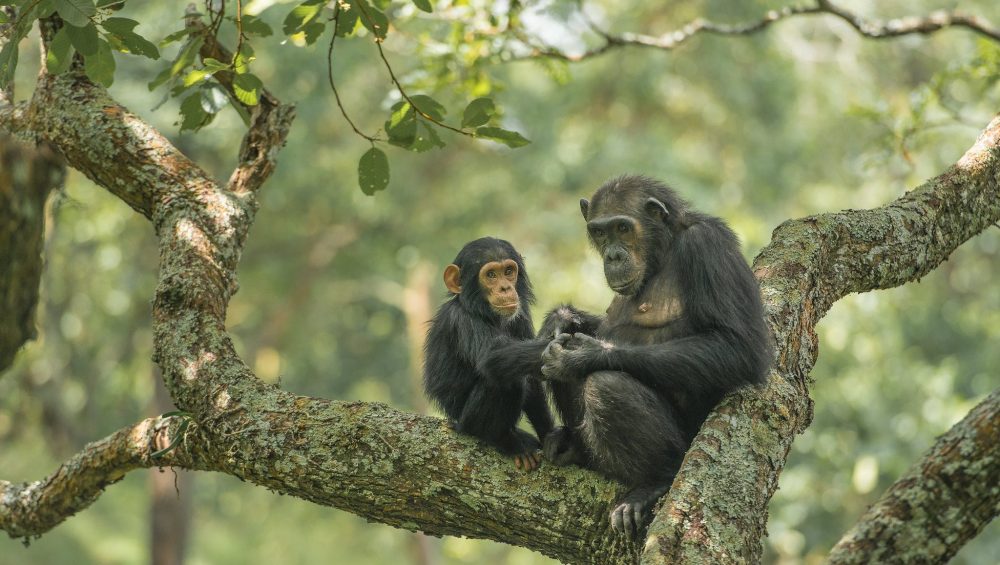
Situated 16kms north of Kigoma town in western Tanzania, Gombe is a narrow mountainous strip of the country bounded to the east by the crest of the rift valley escarpment and by Lake Tanganyika to the west. It is a fragile remnant of Chimpanzee habitat. The beauty of Gombe National Park is unique; it is a park without roads, where you can walk and experience nature with all your senses, in its pristine manner.

Due to its altitude, the park’s vegetation varies from ever green forests of tall trees to open woodlands and grassland. Common mammals found in the park are forest species, mostly primates. These include chimpanzee, baboon, blue monkey, red tailed monkey and red colobus monkey. Jane Goodall brought the Chimps of Gombe to world fame through her research projects based here, and various projects still continue to operate.

Chimpanzees are very amusing and intelligent animals and it is interesting to observe them in their natural habitat engaged in different activities. Likely to be seen in addition to the famous chimpanzees, are the colourful red-tail and blue colobus monkeys. Herbivores and carnivores are a rarity in the forests, making Gombe a heaven for walking safaris.

Ruaha National Park

Ruaha National Park – Tanzania’s Hidden Gem of Wilderness 🦁🌿

Ruaha National Park, located in central Tanzania, is one of the country’s largest and most wildly beautiful national parks. Known for its untouched landscapes, abundant wildlife, and serene environment, Ruaha is a hidden gem for travelers seeking an authentic African safari experience. It offers an opportunity to explore diverse ecosystems, from savannas and woodlands to riverine forests, all teeming with wildlife.

This park is perfect for those wanting to escape the crowds and experience the raw beauty of Tanzania’s wilderness.


🔹 About Ruaha National Park

1. Location

  • Ruaha National Park is located in central Tanzania, about 130 kilometers from Iringa. It lies in the southern part of the country, near the confluence of the Ruaha River.
  • The park is 5,000 square miles (about 12,950 km²) in size, making it one of the largest parks in Tanzania.
  • It is less visited compared to the famous Serengeti or Ngorongoro, which makes it a perfect place for those looking for a more exclusive safari experience.

2. Climate

  • Ruaha has a tropical climate, characterized by a wet season (from November to May) and a dry season (from June to October).
  • During the dry season, animals gather around the water sources, making it an excellent time for game viewing. The wet season, though lush and beautiful, offers fewer opportunities for wildlife sightings but is perfect for bird watching, as the park is home to over 570 species.

3. Key Features

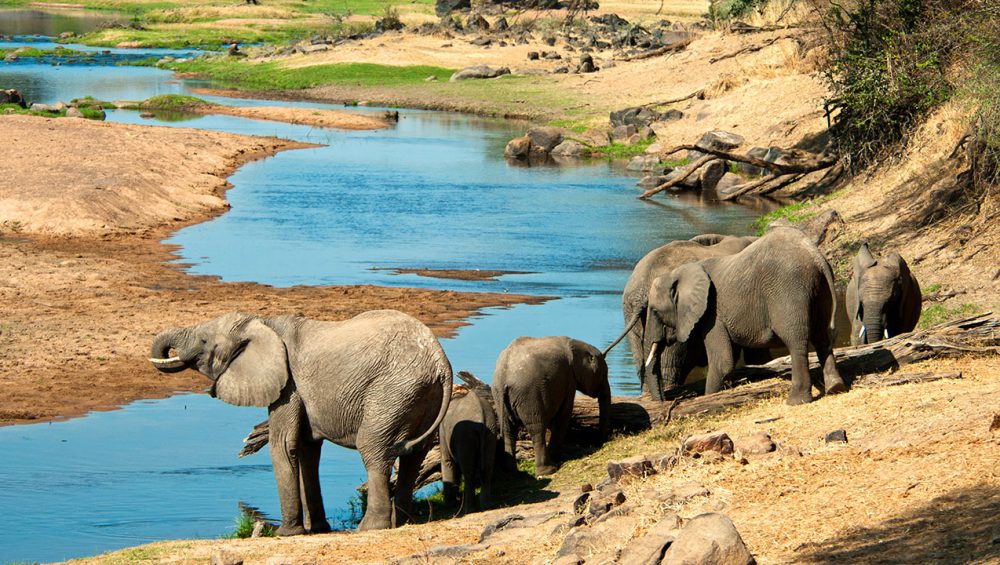
  • Ruaha River: The park is named after the Ruaha River, which runs through it. The river is a critical lifeline for the animals, especially during the dry months.
  • Diverse Wildlife: Known for its large populations of elephants, lions, leopards, wild dogs, zebras, and more, the park also has a high density of birdlife.
  • Rocky Outcrops & Rolling Hills: The terrain includes dramatic rocky outcrops and rolling hills, offering breathtaking views and a unique landscape.

🔹 Wildlife in Ruaha National Park

Ruaha is famous for its diverse and abundant wildlife, including:

  • Elephants: The park has a large population of African elephants. The elephants often gather in large herds near the river.
  • Big Cats: Lions, leopards, and cheetahs are often spotted in Ruaha. The park is home to one of Tanzania’s largest populations of lions.
  • Wild Dogs: African wild dogs, an endangered species, can be found in Ruaha, with some of the best sightings in East Africa.
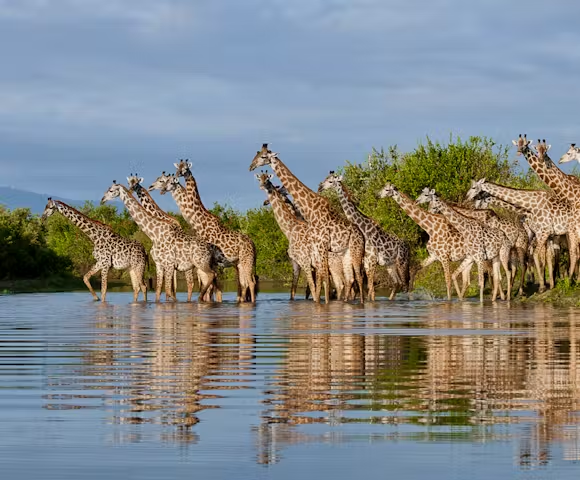
  • Giraffes: The park is also home to reticulated giraffes, adding to its diversity of herbivores.
  • Birdlife: Ruaha is a birdwatching paradise, with over 570 species of birds, including flamingos, hornbills, and the endangered yellow-collared lovebird.

🔹 Activities in Ruaha National Park

1. Game Drives

  • The most popular activity in Ruaha is the game drive, where visitors can spot the Big Five and other wildlife from the comfort of a safari vehicle.
  • The park offers morning, afternoon, and night game drives, giving visitors ample opportunity to witness the park’s rich wildlife.

2. Walking Safaris

  • For those looking for a more authentic safari experience, walking safaris are available, led by knowledgeable guides.
  • Walks allow visitors to get a closer look at the smaller wildlife, plants, and the ecosystem of the park. It’s a great way to connect with nature on a deeper level.

3. Bird Watching

  • With over 570 bird species, Ruaha is a haven for birdwatchers. The park’s diverse habitats, from wetlands to dry woodlands, provide a variety of environments for both resident and migratory birds.
  • Common sightings include white-headed vulture, martial eagle, and Lilac-breasted roller.

4. Cultural Visits

  • Visitors can take trips to local villages near the park to experience Tanzanian culture, including traditional dances, local crafts, and interactions with the community.

🔹 Best Time to Visit Ruaha National Park

  • The best time to visit for game viewing is during the dry season (from June to October). This is when wildlife gathers around the remaining water sources, making animals easier to spot.
  • The wet season (from November to May) is ideal for birdwatching, as many migratory birds flock to the park. The park is lush, and the landscapes are vibrant.

🔹 Frequently Asked Questions (FAQ)

1. How do I get to Ruaha National Park?

  • By Air: The easiest way is to fly to Iringa Airport, which is about 130 kilometers from the park. Alternatively, you can fly to Dar es Salaam and take a connecting flight to Ruaha.
  • By Road: The park can also be reached by road from Iringa (approximately 3 hours) or from Dar es Salaam (about 8 hours).

2. What types of accommodations are available in Ruaha National Park?

  • There are a variety of accommodations within the park, ranging from luxury lodges to more budget-friendly options. Most accommodations offer an all-inclusive experience with game drives, meals, and drinks.
  • Popular lodges and campsites include Ruaha River Lodge, Mdonya Old River Camp, and Jabali Ridge.

3. Is it safe to visit Ruaha National Park?

  • Yes, Ruaha is generally safe for tourists. It is advisable to travel with a reputable tour operator who knows the park well. While the park is remote and relatively uncrowded, it offers an authentic and safe safari experience.

4. Can I visit Ruaha on a budget?

  • While Ruaha can be a premium destination due to its exclusive experience, there are budget-friendly options like camping and more affordable lodges available. Traveling by road instead of flying can also reduce costs.

5. Can I do a safari in Ruaha without a guide?

  • While it is possible to drive yourself in some parks, it’s highly recommended to hire a professional guide in Ruaha. The guides are well-versed in the park’s wildlife and help ensure your safety while maximizing your experience.

6. What animals can I expect to see in Ruaha National Park?

  • The park is home to the Big Five: lions, elephants, buffaloes, leopards, and rhinos (though rhinos are very rare here). You can also see giraffes, zebras, impalas, wild dogs, hippos, and crocodiles.

🔹 Why Choose Ruaha National Park with Xperience Tours & Travel?

At Xperience Tours & Travel, we specialize in creating tailor-made experiences for travelers to Ruaha National Park. Whether you want a luxury safari, an adventure-filled game drive, or a more intimate walking safari, we provide everything you need for a memorable visit to this stunning park. Our guides are knowledgeable, and our accommodations are handpicked to ensure you get the best possible experience in the wild.

Selous Game Reserved

Selous Game Reserve – A Majestic Safari Experience in Tanzania 🦁🌳

The Selous Game Reserve is one of the largest wildlife reserves in Africa, covering an expansive area of over 50,000 square kilometers in southern Tanzania. Known for its diverse wildlife, pristine landscapes, and tranquil atmosphere, Selous offers a truly authentic and less crowded alternative to other safari destinations in Tanzania. It is also recognized as a UNESCO World Heritage Site due to its significance in conservation and biodiversity.


🌍 What Makes Selous Game Reserve Special?

1. Diverse Wildlife

  • Selous is home to an impressive range of wildlife, including the Big Fivelion, elephant, leopard, buffalo, and rhino (although rhinos are rarer here, they are present).
  • In addition to the Big Five, the reserve is home to giraffes, zebras, hippos, crocodiles, and a variety of antelope species such as impalas, grant’s gazelle, and waterbucks.
  • Birdwatching is also fantastic in Selous, with over 400 bird species to spot, including African fish eagles and hornbills.

2. Scenic Landscapes

  • The Selous Game Reserve is a geographically diverse region, encompassing woodland, open savannah, riverine forests, and wetlands.
  • The Rufiji River, which cuts through the heart of the reserve, is a key feature, providing water to the reserve’s ecosystems and offering opportunities for boat safaris where you can spot wildlife along the riverbanks.

3. Adventure and Activities

  • Selous offers a variety of activities that allow visitors to immerse themselves in nature:
    • Game drives – The traditional way of spotting wildlife, whether during the day or at night.
    • Boat safaris – A chance to explore the Rufiji River and witness wildlife from the water, including hippos, crocodiles, and elephants drinking at the riverbank.
    • Walking safaris – A thrilling way to experience the bush on foot, guided by an expert ranger.
    • Fly-camping – For a more adventurous experience, visitors can camp in the wilderness under the stars.

4. Less Crowded Than Other Parks

  • One of the biggest draws of Selous is its seclusion. It’s less commercialized and far less crowded than Serengeti or Ngorongoro Crater, which provides a more intimate safari experience.

🛎️ Visitor Information for Selous Game Reserve

Location:

  • Selous Game Reserve is located in southern Tanzania, about 200 kilometers from Dar es Salaam.
  • The reserve is accessible by air, with flights from Dar es Salaam or Zanzibar to nearby airstrips like Selous Airstrip.

Best Time to Visit:

  • The dry season (from June to October) is the best time to visit for game viewing, as animals tend to congregate around water sources.
  • The wet season (from November to May) is quieter and more lush, but game viewing can be more difficult as animals are spread out.

Accommodation:

  • Selous offers a range of accommodation options, from luxury lodges to tented camps, each offering varying levels of comfort and exclusivity.

❓ Frequently Asked Questions About Selous Game Reserve

Q1: What wildlife can I expect to see in Selous Game Reserve?

  • A1: Selous is home to a wide variety of wildlife, including the Big Five (lion, elephant, leopard, buffalo, and rhino), giraffes, zebras, hippos, crocodiles, wild dogs, and over 400 bird species. It’s an excellent destination for wildlife lovers.

Q2: How do I get to Selous Game Reserve?

  • A2: You can access Selous by road from Dar es Salaam (approximately 5-6 hours) or by charter flight to Selous Airstrip, which takes about 45 minutes from Dar es Salaam.

Q3: What activities are available in Selous?

  • A3: Visitors can enjoy game drives, boat safaris along the Rufiji River, walking safaris with a guide, and for the adventurous, fly-camping for a night in the wilderness. Night game drives are also available to spot nocturnal animals.

Q4: Is it safe to go on a walking safari in Selous?

  • A4: Yes, walking safaris in Selous are conducted by expert, armed guides who ensure your safety while offering you an up-close experience with nature. It’s a thrilling way to learn about the ecosystem, plants, and smaller wildlife you might miss on a game drive.

Q5: When is the best time to visit Selous Game Reserve?

  • A5: The best time to visit is during the dry season (June to October), when animals gather around waterholes, making it easier to spot them. However, the green season (November to May) offers a quieter, more lush landscape, with fewer tourists.

Q6: Can I see rhinos in Selous Game Reserve?

  • A6: While rhinos can be found in Selous, they are rarer compared to other big game species. However, Selous is one of the few places where you can still see black rhinos in the wild, though sightings are not guaranteed.

Q7: Is Selous Game Reserve family-friendly?

  • A7: Yes, Selous is family-friendly, with many lodges offering family-oriented accommodations and activities, such as bush walks, game drives, and wildlife education programs for children. Some camps even provide children’s safaris to ensure the entire family enjoys the experience.

🔹 Why Choose Xperience Tours and Travel for Your Selous Safari?

Xperience Tours and Travel provides personalized safari experiences to Selous, ensuring you enjoy the best of Tanzania’s wilderness. Our expert guides and professional drivers are dedicated to providing you with a memorable and safe adventure. Whether you’re looking for a luxury lodge, budget tented camp, or a more adventurous fly-camping experience, we have the perfect safari for you.

Safari Packages Include:

  • Private or shared game drives
  • Boat safaris on the Rufiji River
  • Walking safaris with professional guides
  • Accommodation in selected lodges or tented camps
  • All meals and drinks, including a picnic lunch during game drives

Selous Game Reserve offers an authentic, off-the-beaten-path safari experience with a rich diversity of wildlife, stunning landscapes, and exciting activities. Whether you’re visiting for a few days or a week, the reserve’s peaceful atmosphere and rich biodiversity make it a truly unforgettable experience.