Ngezi Forest

Ngezi Forest is a pristine and significant ecological area located on the southern tip of Pemba Island, part of the Zanzibar Archipelago in Tanzania. This dense, tropical forest is a rare and valuable natural treasure, offering a unique blend of biodiversity, natural beauty, and cultural importance. It is part of the Ngezi Forest Reserve, which is one of the most important conservation areas on Pemba Island, known for its diverse flora and fauna, including several endemic species. Ngezi Forest serves as a vital habitat for various wildlife species and plays an important role in maintaining the ecological balance of the region.

Key Features of Ngezi Forest

  1. Biodiversity Hotspot
    Ngezi Forest is a critical biodiversity hotspot, home to a wide range of plant and animal species. The forest is renowned for its remarkable range of tropical flora, including both endemic and non-endemic species of trees and plants. Some of the species found here are of considerable interest to ecologists due to their rarity or special conservation status. The forest is also a haven for a variety of wildlife, particularly bird species, making it a key location for birdwatching.

  2. Endemic Species
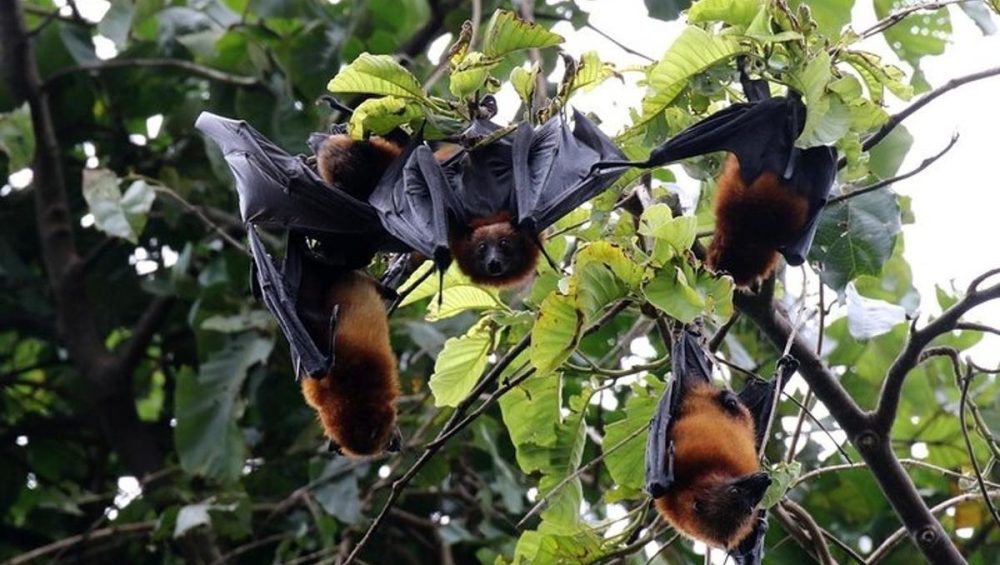
    Ngezi Forest is one of the few places in the world where you can find Pemba endemic species that are not found anywhere else on the planet. The Pemba flying fox (a species of fruit bat) and the Pemba scops owl are among the most notable endemic creatures in the area. These species depend on the forest’s diverse ecosystem for survival. There are also various endemic plant species in the forest that make it a crucial site for conservation efforts.

  3. Mangrove Ecosystem
    Part of the forest reserve is located near the coast, where mangrove forests thrive. These coastal mangrove ecosystems are vital for protecting the coastline from erosion, as well as providing habitats for various marine species such as fish, crabs, and mollusks. The combination of tropical forest and mangrove systems adds to the diversity of Ngezi Forest’s environment.

  4. Natural Beauty and Scenic Views
    The Ngezi Forest Reserve offers stunning natural landscapes, with towering trees, thick canopies, and lush greenery. The forest features a range of walking trails that allow visitors to explore the area’s rich flora and fauna up close. The peaceful and serene environment, combined with the beautiful sights and sounds of the forest, makes it an excellent place for nature lovers and eco-tourism enthusiasts to immerse themselves in nature.

  5. Cultural Importance
    Ngezi Forest is not only important from a natural perspective but also holds cultural significance for the local communities. The forest has historically been used by the island’s inhabitants for various purposes, such as collecting firewood, building materials, and traditional medicine plants. Today, it plays a role in the local conservation efforts, where the communities collaborate to protect and preserve the forest and its ecosystems.

Wildlife and Flora of Ngezi Forest

  1. Birdwatching Paradise
    Ngezi Forest is a prime destination for birdwatching, especially for those interested in spotting rare and endemic bird species. The forest is home to a variety of bird species, including:

    • Pemba Green Pigeon – A species native to the island, often spotted in the forest canopy.

    • Pemba Scops Owl – A small, nocturnal owl endemic to the island.

    • Mangrove Kingfisher – Known for its colorful plumage and keen fishing abilities.

    • Tropical species – In addition to the endemics, the forest is home to several other tropical bird species.

  2. Mammals and Other Fauna
    In addition to the bat species and birds, Ngezi Forest is also home to a variety of other mammals and reptiles, including monkeys, small rodents, and lizards. The Pemba flying fox, a large fruit bat that plays a crucial role in pollination, is one of the forest’s most iconic mammals.

  3. Plant Life
    The forest is densely packed with various plant species, many of which are medicinal, endemic, or rare. The trees, such as the Pemba ebony, Pemba mahogany, and wild mango, provide a rich canopy that supports a wide variety of animal life. Ngezi Forest is also known for its rich undergrowth, with ferns, bushes, and flowering plants contributing to the diversity of the ecosystem.

  4. Mangroves
    On the coastal edge of the forest, the mangrove ecosystems thrive. Mangrove species like the red mangrove and black mangrove are critical to protecting the coastline from erosion and providing breeding grounds for fish and other marine species.

Activities in Ngezi Forest

  1. Nature Walks and Eco-Tours
    The forest offers guided walks along well-maintained trails, where visitors can explore the forest’s natural beauty and learn about the diverse flora and fauna. A local guide can provide insight into the forest’s ecological importance and the conservation efforts in place to protect its unique ecosystems. These walks are perfect for nature enthusiasts, birdwatchers, and anyone looking to immerse themselves in the island’s wilderness.

  2. Birdwatching
    Birdwatching in Ngezi Forest is a rewarding activity, as the area is home to a variety of rare and endemic bird species. The tranquil environment, combined with the abundance of tree cover, makes it an ideal place to spot tropical birds, including the Pemba green pigeon and Pemba scops owl.

  3. Cultural Experiences
    Visitors to the forest may also have the chance to interact with local communities and learn about the traditional uses of plants and trees in the forest. These experiences provide a unique cultural perspective, where tourists can understand how the forest has been intertwined with local life for generations.

  4. Wildlife Observation
    The forest’s diverse fauna, including monkeys, small mammals, and reptiles, can be spotted throughout the reserve. These creatures add to the richness of the forest’s ecosystem and provide opportunities for wildlife observation during nature walks.

  5. Photography
    The lush greenery, towering trees, and abundant wildlife make Ngezi Forest an excellent destination for photographers. The contrasts of light filtering through the canopy, coupled with the beauty of the forest’s flora and fauna, offer a wide range of photographic opportunities.

Conservation Efforts in Ngezi Forest

The Ngezi Forest Reserve is under protection by both the Tanzanian government and local conservation organizations. It is recognized as an important area for both its biodiversity and ecological value. Several conservation initiatives are in place to preserve the forest’s unique species, including:

  • Sustainable Forestry Practices: Ensuring that the forest’s resources, like timber and medicinal plants, are harvested in a sustainable manner to avoid depleting the natural resources.

  • Wildlife Protection: Efforts to protect endangered species, such as the Pemba scops owl and the Pemba flying fox, from habitat loss and other threats.

  • Community Engagement: Working with local communities to educate them about the importance of forest conservation and how they can contribute to preserving the forest’s biodiversity.

Best Time to Visit Ngezi Forest

The best time to visit Ngezi Forest is during the dry season, which typically runs from June to October and December to February. During this period, the weather is warm and dry, and the trails are more accessible, providing ideal conditions for walking tours. The rainy season, from March to May, may result in wet and muddy conditions, which can make navigating the forest more challenging.

How to Reach Ngezi Forest

Ngezi Forest is located on the southern part of Pemba Island. To reach it, visitors typically need to travel by road from Pemba’s main town of Chake Chake or other nearby resorts. Some local tour operators offer guided trips to the forest, including transportation and tours. Alternatively, you can hire a private car to reach the forest reserve.

Conclusion

Ngezi Forest on Pemba Island offers a truly unique experience for nature lovers, birdwatchers, and eco-tourism enthusiasts. With its rich biodiversity, endemic species, and natural beauty, the forest provides an ideal destination for anyone seeking to explore Tanzania’s untouched natural landscapes. Whether you’re hiking through the dense canopy, observing rare bird species, or learning about the forest’s cultural significance, Ngezi Forest offers a tranquil and enriching experience that showcases the natural beauty of Pemba Island. The conservation efforts in place ensure that Ngezi Forest remains a vital part of the island’s ecological heritage, making it an essential place for both local communities and visitors to protect and appreciate.
Misali Island Snorkeling

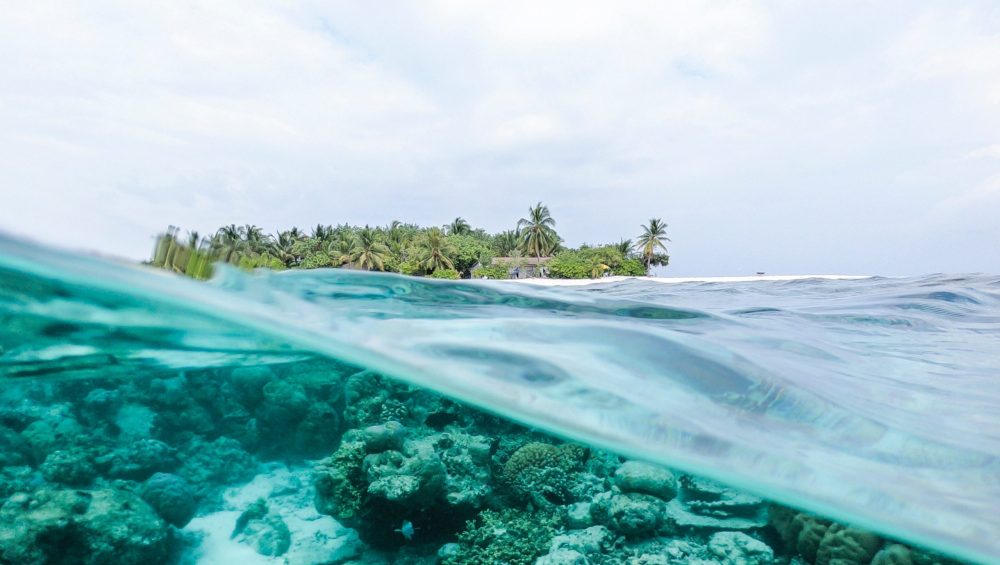
Misali Island is one of the most sought-after snorkeling destinations near Pemba Island in Tanzania, offering an extraordinary underwater adventure in the Indian Ocean. Located off the west coast of Pemba, Misali Island is known for its pristine marine environments, abundant coral reefs, and diverse marine life, making it a top destination for snorkelers and divers alike. The island is part of the Misali Island Marine Conservation Area and remains one of the most well-preserved natural areas in the Zanzibar Archipelago. Whether you’re a beginner or an experienced snorkeler, Misali Island offers an unforgettable snorkeling experience.

Why Snorkel at Misali Island?

  1. Crystal-Clear Waters
    Misali Island’s waters are famous for their exceptional clarity, providing visibility that often exceeds 30 meters. The crystal-clear water makes for a spectacular snorkeling experience, allowing you to see vibrant marine life and coral reefs in full detail. The visibility is particularly remarkable in the dry season, with calm seas providing optimal conditions for underwater exploration.

  2. Diverse Marine Life
    Misali Island is home to a rich diversity of marine species. Its coral reefs are teeming with life, including colorful tropical fish, rays, and large pelagic species such as dolphins and even sharks. Snorkelers may also encounter sea turtles, groupers, parrotfish, angelfish, butterflyfish, and other fascinating marine creatures. The reef ecosystems around Misali Island are in excellent condition, providing an opportunity to explore diverse underwater environments.

  3. Healthy Coral Reefs
    The coral reefs around Misali Island are some of the healthiest in the Zanzibar Archipelago. These reefs are teeming with hard and soft corals, creating a vibrant underwater landscape. The reefs are home to an array of marine species, making them an essential site for both snorkeling and diving enthusiasts. The conservation efforts in the area have helped maintain the reefs’ biodiversity and protect them from damage, ensuring that the ecosystem remains sustainable for future generations.

  4. Seclusion and Tranquility
    Misali Island is a relatively remote destination, and while it receives visitors, it’s not as crowded as other snorkeling locations. This isolation ensures a peaceful and quiet environment, allowing snorkelers to enjoy a tranquil experience without the noise or bustle of mass tourism. The serene waters and the untouched beauty of the island create a calm and relaxed atmosphere perfect for those looking to escape into nature.

  5. Marine Conservation Area
    Misali Island is part of the Misali Island Marine Conservation Area (MIMCA), which was established to protect the island’s natural resources. The marine conservation efforts have been very successful in preserving the reefs, marine life, and natural habitat. Snorkelers can feel confident that their activities are part of a sustainable tourism model, and the area’s ecosystem is well-protected for both present and future enjoyment.

Top Snorkeling Spots Around Misali Island

  1. Misali Reef
    One of the most popular snorkeling locations around Misali Island is Misali Reef, which is known for its shallow waters, vibrant coral gardens, and diverse marine life. The reef is easily accessible by boat, and snorkelers can explore the coral formations and schools of fish in shallow waters. You’ll find large colonies of soft and hard corals, as well as small reef fish like damselfish, butterflyfish, and wrasse.

  2. Shimoni Bay
    Shimoni Bay is a sheltered area near the island, offering calm waters that are perfect for snorkeling. The bay is known for its sandy bottom, shallow reefs, and the chance to see larger marine life, such as rays, sea turtles, and occasionally even reef sharks. The bay is relatively protected, which makes it a safe environment for beginners to snorkel while enjoying the underwater scenery.

  3. Misali Island’s East Coast
    The eastern side of Misali Island features vibrant coral gardens, where snorkelers can float above soft corals, colorful sponges, and diverse fish species. The shallow waters allow you to get up close to the reef, and the underwater environment is peaceful and teeming with marine life. It’s also a great spot to spot larger species, including dolphins and schools of large fish.

  4. The Drop-Off Area
    For more experienced snorkelers, the Drop-Off area on the northern tip of Misali Island offers deeper waters and the chance to explore the edge of the reef. Here, the reef plunges into deeper waters, attracting larger fish species like tuna, barracuda, and sometimes even sharks. It’s an exhilarating spot for those looking to see the more powerful creatures of the ocean.

What to Expect During a Snorkeling Trip to Misali Island

  1. Boat Ride to Misali Island
    To get to Misali Island, you’ll typically take a boat ride from the mainland of Pemba or nearby resorts. The boat ride can last anywhere from 15 to 30 minutes, depending on your departure point. As you approach the island, you’ll notice the stunning turquoise waters and the lush, green landscape of the island, which is a sign of the pristine nature of the area.

  2. Guided Snorkeling Tours
    Most visitors to Misali Island participate in guided snorkeling tours. Local tour operators provide snorkel gear, including masks, snorkels, fins, and life vests, ensuring you have everything you need for a comfortable and safe experience. Guides often know the best spots to see particular species and will help you navigate the reefs, pointing out different fish species, corals, and other interesting marine life. Guides are also trained in safety procedures, ensuring that all guests can enjoy their snorkeling trip without risk.

  3. Snorkeling Conditions
    The waters around Misali Island are generally calm and shallow, making them ideal for snorkeling. The clarity of the water is excellent, providing great visibility even at greater depths. The reefs around the island are not only home to vibrant fish, but the environment is also great for those who enjoy observing marine life in its natural habitat. The temperature of the water is warm, which makes snorkeling comfortable year-round.

  4. Environmental Awareness
    As a part of the Misali Island Marine Conservation Area, it’s important to respect the environment. Tour operators and guides will educate visitors about responsible snorkeling practices, such as not touching the coral, not disturbing marine life, and using reef-safe sunscreen. Misali Island is a protected area, and the health of the marine ecosystem is paramount to preserving its beauty for future visitors.

Best Time to Visit Misali Island for Snorkeling

The best time to visit Misali Island for snorkeling is during the dry season, which runs from June to October and December to February. During these months, the weather is warm, and the seas are calm, providing ideal snorkeling conditions. The rainy season (from March to May) can bring rough seas and poor visibility, which can make snorkeling less enjoyable.

Safety Tips for Snorkeling at Misali Island

  1. Stay with Your Group: Always snorkel with a guide or in a group to ensure your safety, especially if you are unfamiliar with the area or the conditions of the water.

  2. Protect the Coral: Avoid touching or standing on coral, as it can easily be damaged. Coral reefs are delicate, and any contact with them can harm their health and biodiversity.

  3. Use Reef-Safe Sunscreen: Protect your skin from the sun with reef-safe sunscreen to avoid harming the delicate marine environment.

  4. Stay Hydrated: The tropical heat can be intense, so it’s important to stay hydrated, especially after snorkeling.

  5. Respect Marine Life: While it’s exciting to see marine creatures, always maintain a respectful distance and avoid disturbing them. Do not attempt to touch, chase, or capture marine life.

Conclusion

Snorkeling at Misali Island is an unforgettable experience, offering the chance to explore one of the most pristine and biodiverse marine environments in East Africa. With crystal-clear waters, healthy coral reefs, and abundant marine life, Misali Island is a haven for snorkelers of all skill levels. Whether you’re floating above vibrant coral gardens, encountering sea turtles, or swimming alongside rays and dolphins, a visit to Misali Island promises an enriching and peaceful escape into nature. Its conservation efforts ensure that the island’s beauty will remain for generations to come, providing a truly sustainable and memorable snorkeling experience.

Sandbank snorkeling

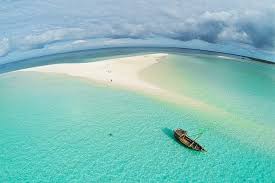
Pemba Island, part of the Zanzibar Archipelago off the coast of Tanzania, is a hidden gem known for its unspoiled beauty, rich marine life, and tranquil environment. While Zanzibar is well-known for its white sandy beaches and coral reefs, Pemba offers a more serene and less crowded alternative, making it an ideal location for snorkeling, especially on its stunning sandbanks. Sandbank snorkeling in Pemba is an experience that combines natural beauty with vibrant underwater ecosystems, offering a peaceful, immersive escape into nature.

What Makes Sandbank Snorkeling in Pemba Special?

  1. Crystal-Clear Waters
    The waters around Pemba Island are remarkably clear, offering excellent visibility for snorkeling. With minimal pollution and few disturbances from mass tourism, the clarity allows snorkelers to enjoy the rich marine life in full detail. The warm tropical waters around the sandbanks make for an inviting environment for both beginners and experienced snorkelers.

  2. Untouched Marine Ecosystems
    Pemba’s marine environments remain less explored compared to other areas of the Zanzibar Archipelago, which helps preserve the underwater ecosystems. The coral reefs surrounding Pemba’s sandbanks are home to an array of marine species, including colorful tropical fish, rays, sea turtles, and occasional reef sharks. The unspoiled nature of the area means that the reefs and marine life are vibrant and abundant, creating a more intimate, pristine snorkeling experience.

  3. Seclusion and Tranquility
    Unlike more popular tourist destinations in Zanzibar, Pemba Island is much quieter, providing an exclusive experience for those who want to explore remote, untouched sandbanks. These sandbars are often only accessible by boat, ensuring that only a small group of people can visit at any given time. This sense of seclusion creates a serene and peaceful atmosphere, ideal for those who want to experience the beauty of nature without crowds.

  4. Diverse Marine Life
    The marine life around the sandbanks in Pemba is diverse and varied. The shallow waters surrounding these sandbars are home to vibrant coral gardens, schools of colorful fish, and other marine life such as starfish, sea urchins, and crabs. Deeper areas may host larger marine animals like sea turtles, rays, and dolphins. Snorkelers may also encounter majestic reef sharks or eagle rays swimming gracefully through the clear waters.

  5. Shallow, Calm Waters
    The sandbanks in Pemba tend to have shallow waters that are calm and ideal for snorkeling. Whether you’re a beginner or an experienced diver, the gentle conditions make it easy to float, swim, and explore without the challenges of strong currents or waves. The sandbanks themselves are often located just a short distance from the shore, making them easy to access.

Best Sandbank Snorkeling Spots in Pemba

Pemba is home to several sandbanks that are perfect for snorkeling, each offering unique experiences:

  1. Ngezi Beach Sandbank
    One of the most popular spots for snorkeling in Pemba, Ngezi Beach offers a secluded sandbank that is surrounded by crystal-clear waters. The area is part of the Ngezi Forest Reserve and is known for its diverse marine life and vibrant coral gardens. Snorkelers can expect to see a variety of fish species, rays, and, occasionally, sea turtles.

  2. Misali Island
    Misali Island is a small, uninhabited island located off the coast of Pemba. It’s home to some of the most beautiful coral reefs in the region, making it an excellent location for snorkeling. The sandbank near Misali is known for its incredible biodiversity, with opportunities to see everything from colorful reef fish to dolphins and manta rays. Misali is a protected area, which helps preserve its marine life and coral reefs, ensuring that the snorkeling experience is both enriching and sustainable.

  3. Kisiwa Panza Sandbank
    Located near the southern coast of Pemba, Kisiwa Panza is a remote sandbank surrounded by clear, shallow waters. The area is less developed, offering a truly off-the-beaten-path experience for snorkelers. The waters here are home to diverse fish species, soft corals, and even the occasional pelagic fish like barracuda or trevally. The calm, shallow waters make it a perfect spot for both novice and experienced snorkelers.

  4. Fishermen’s Island Sandbank
    Accessible by boat from Pemba’s north coast, this sandbank is relatively untouched and offers serene conditions for snorkeling. The shallow waters around the sandbank are teeming with small reef fish, while the deeper areas of the surrounding coral gardens are home to larger fish, rays, and occasional sea turtles. The sandbanks here are often quieter, making it an excellent spot for those seeking solitude.

What to Expect When Snorkeling on a Sandbank in Pemba

  1. Boat Ride to the Sandbank
    To reach the sandbanks, visitors will typically take a boat from one of Pemba’s nearby beaches or resorts. The boat ride can be part of the adventure, as you’ll pass by lush coastal landscapes, clear turquoise waters, and small, uninhabited islands. Depending on your destination, the boat ride can take anywhere from 10 to 40 minutes.

  2. Guided Snorkeling Tours
    Many snorkeling excursions in Pemba are guided, and local tour operators typically provide equipment like masks, snorkels, fins, and life vests. If you are new to snorkeling, having a guide can make the experience more enjoyable and educational, as they can point out different fish species and coral formations. Most guides are knowledgeable about local marine life and will ensure your safety while exploring.

  3. Marine Life and Underwater Exploration
    Once you arrive at the sandbank, you’ll have the opportunity to snorkel in the calm, shallow waters. As you swim over the sandbanks and adjacent reefs, you may encounter a variety of marine species. The warm waters host vibrant fish, including parrotfish, butterflyfish, and clownfish, while larger creatures like rays and sea turtles might also be spotted. The reefs here are typically healthy and teeming with life, offering a delightful environment for underwater exploration.

  4. Environment and Conservation
    Pemba Island’s coral reefs and marine life are protected by various conservation efforts, including marine protected areas (MPAs). As a result, the underwater ecosystems around Pemba’s sandbanks remain relatively pristine. It’s important to follow local conservation guidelines, such as avoiding touching the coral, not disturbing marine animals, and using reef-safe sunscreen. This ensures that future generations can continue to enjoy the same beautiful underwater landscapes.

Best Time to Visit Pemba for Sandbank Snorkeling

The best time for sandbank snorkeling in Pemba is during the dry season, which runs from June to October and December to February. During these months, the weather is typically sunny, and the waters are calm, providing optimal conditions for snorkeling. The rainy season, from March to May, may bring stronger currents, heavy rains, and lower visibility, making snorkeling conditions less ideal.

Safety Tips for Sandbank Snorkeling in Pemba

  1. Use Reef-Safe Sunscreen: The sun can be intense in tropical regions, so make sure to use sunscreen that is safe for the marine environment. Many conventional sunscreens contain chemicals that can harm coral reefs.

  2. Stay with a Guide: For safety and to enhance your experience, it’s a good idea to go snorkeling with a local guide who knows the area and can navigate the best spots while ensuring your safety.

  3. Wear Protective Gear: While Pemba’s waters are generally calm, wearing a life jacket or buoyancy aid is recommended for beginners or those who are less confident in the water.

  4. Respect Wildlife: While snorkeling, avoid touching marine life, especially coral, as it can be easily damaged. Be mindful of your surroundings and stay at a safe distance from animals like rays or sea turtles.

  5. Stay Hydrated: Tropical environments can get very hot, so ensure you have enough water before and after your snorkeling adventure to stay hydrated.

Conclusion

Sandbank snorkeling in Pemba Island offers a rare and serene opportunity to explore some of the most pristine marine environments in East Africa. With clear waters, diverse marine life, and the tranquility of secluded sandbars, this destination is perfect for anyone looking to immerse themselves in the beauty of the ocean. Whether you’re swimming alongside schools of fish or admiring the colorful coral reefs, Pemba’s sandbank snorkeling provides an unforgettable underwater adventure in one of the world’s most beautiful settings.

Mikumi National Park

Mikumi National Park – A Safari Adventure in Southern Tanzania 🌿🦁

Mikumi National Park is one of Tanzania’s most accessible and affordable safari destinations, located in the southern part of the country. Situated near the Selous Game Reserve and just a few hours’ drive from Dar es Salaam, Mikumi offers a stunning wildlife experience that rivals the more famous parks like Serengeti and Ngorongoro. The park is known for its rich biodiversity, including a variety of animals like elephants, lions, giraffes, zebras, and wild dogs, as well as beautiful landscapes ranging from savannah grasslands to wooded hills and wetlands.


🔹 Key Highlights of Mikumi National Park

1. Abundant Wildlife

  • Mikumi is home to a wide variety of wildlife, including the Big Five (elephants, lions, leopards, buffaloes, and rhinos), though rhinos are rarer in the park.
  • You’ll also spot giraffes, zebras, impalas, wildebeests, and hippopotamuses along the park’s rivers.
  • The park’s rich birdlife includes over 400 species, making it a haven for bird watchers.

2. Easy Access

  • Mikumi is located about 283 kilometers (176 miles) from Dar es Salaam, making it an excellent choice for a short safari or a weekend getaway.
  • The park is accessible by road or air, with a nearby airstrip offering charter flight services.

3. Beautiful Scenery

  • Mikumi’s diverse landscapes include open savannah, woodlands, and wetlands, offering a scenic backdrop for wildlife viewing.
  • The Mkata Floodplain, which is the main area of the park, is a key highlight for spotting a variety of animals.

4. Safari Activities

  • Game drives are the main safari activity in Mikumi, with professional guides taking you through the park’s diverse ecosystems.
  • Night drives and walking safaris are also available (subject to park regulations), offering a chance to see the animals in a completely different light.

🔹 What to Expect During a Mikumi Safari Tour

1. Game Drives

  • Game drives in Mikumi allow visitors to explore the park by 4×4 vehicles, guided by experienced drivers and naturalists. These tours offer an excellent opportunity to see wildlife up close and personal in their natural habitat.
  • The Mkata Floodplain is the most popular area for spotting wildlife, as it attracts animals due to its rich vegetation and water sources.

2. Bird Watching

  • Mikumi is a birdwatcher’s paradise, with over 400 bird species including vultures, eagles, hornbills, and marabou storks.
  • You can take a guided bird-watching tour to explore the best spots for observing different species.

3. Cultural Experiences

  • Mikumi is surrounded by the Hehe people, an ethnic group native to the area. Visitors can interact with the local communities and learn about their traditions, culture, and daily life.
  • Some tours offer visits to Hehe villages, where you can experience traditional dances, crafts, and food.

4. Accommodation

  • Mikumi offers a variety of accommodation options, from luxury lodges and tented camps to more budget-friendly options.
  • Popular lodges and camps include Mikumi Safari Lodge, Stanley’s Kopje, and Vuma Hills Tented Camp, offering stunning views of the park and wildlife.

🔹 Best Time to Visit Mikumi National Park

  • The best time for a safari in Mikumi is during the dry season (from June to October), when wildlife tends to congregate around water sources, making it easier to spot animals.
  • The wet season (from November to May) is ideal for bird watching, as migratory birds flock to the park. However, some areas may be harder to access due to rain.

🔹 Frequently Asked Questions about Mikumi National Park

1. What is the best time to visit Mikumi National Park?

  • The dry season (June to October) is the best time for wildlife viewing, as animals gather around waterholes. The wet season (November to May) is great for birdwatching and lush green landscapes.

2. How do I get to Mikumi National Park?

  • Mikumi is approximately a 4-hour drive from Dar es Salaam (about 283 km). There are also flights available to Mikumi Airstrip from Dar es Salaam for a quicker route.

3. What animals can I see in Mikumi National Park?

  • Mikumi is home to a variety of animals, including elephants, lions, giraffes, zebras, impalas, buffaloes, hippopotamuses, and over 400 bird species. Leopards and rhinos are also found here, though sightings are rarer.

4. Are there guided tours available in Mikumi?

  • Yes, game drives, birdwatching tours, and walking safaris are available in Mikumi, with professional guides who know the park well and can offer a rich experience.

5. Can I go on a walking safari in Mikumi?

  • Yes, walking safaris are available, but they are subject to park regulations and must be accompanied by a trained guide for safety. Walking safaris are a great way to connect with nature and learn about the smaller details of the ecosystem.

6. Is Mikumi National Park family-friendly?

  • Yes, Mikumi is a family-friendly destination, and the wildlife is often easy to spot, making it an excellent choice for children to experience their first safari. Many lodges and camps offer family-friendly accommodations.

7. Are there accommodations inside Mikumi National Park?

  • Yes, Mikumi offers a variety of accommodations, including luxury lodges, tented camps, and budget hotels. Options like Mikumi Safari Lodge and Vuma Hills Tented Camp are popular among tourists.

8. Is Mikumi National Park safe for tourists?

  • Mikumi is generally safe for tourists, with professional guides and park rangers ensuring the safety of visitors. It’s important to follow all safety guidelines provided by your guide, especially during walking safaris or night drives.

🔹 Travel Tips for Mikumi National Park

Book Your Safari in Advance – It’s always a good idea to book your safari tours and accommodation in advance, especially during the peak season (June to October).
Bring a Camera – The wildlife and scenery in Mikumi are absolutely stunning, so make sure you bring a camera with a good zoom lens.
Dress Appropriately – Wear neutral-colored clothing (beige, khaki, or brown) for safaris, and bring layers in case the weather changes.
Bring Binoculars for Bird Watching – If you’re a bird lover, binoculars will help you spot the many species of birds that inhabit the park.
Stay Hydrated – It can get quite hot, especially during the dry season, so carry water with you and drink regularly.


Mikumi National Park offers an unforgettable safari experience with rich wildlife, diverse landscapes, and easy accessibility from Dar es Salaam. Whether you’re a first-time visitor or an experienced safari-goer, Mikumi is the perfect destination for an adventure into Tanzania’s wild heart.

Darajani Market

Darajani Market is one of the most famous and vibrant markets in Stone Town, Zanzibar. It serves as the central hub for locals and visitors looking to experience the island’s rich culture, flavors, and daily life.

What to Expect at Darajani Market

🛍 Local Goods & Products

Darajani Market offers a wide variety of products, including:

  • Fresh Seafood & Meat – A lively section featuring locally caught fish, squid, and octopus.
  • Fruits & Vegetables – Exotic produce such as mangoes, coconuts, avocados, and jackfruits.
  • Spices – Zanzibar is known as the “Spice Island,” so expect to find cloves, cinnamon, vanilla, and nutmeg.
  • Clothing & Textiles – Kitenge fabrics, colorful scarves, and traditional Swahili wear.
  • Handmade Crafts – Wooden carvings, beaded jewelry, and local souvenirs.

🍛 Street Food Delights

If you love food, try:

  • Zanzibar Mix – A delicious local soup with crispy fritters and spices.
  • Mandazi – Fried doughnuts, perfect with tea.
  • Fresh Coconut Water – Refreshing and locally harvested.

Tips for Visiting Darajani Market

Go Early – The market is busiest in the morning, so visit early for the best selection.
Bargain Politely – Negotiation is common, so feel free to ask for a better price.
Be Mindful of Your Belongings – Like any busy market, keep an eye on your valuables.
Respect Local Customs – Dress modestly, as Zanzibar has a strong Muslim culture.

4 Days 3 Nights Safari From Zanzibar: Serengeti & Ngorongoro Crater

Immerse yourself in the wonders of Tanzania with this 4-day safari adventure starting from Zanzibar, exploring some of the country’s most iconic wildlife destinations. From the Africa’s best Serengeti National Park to the breathtaking Ngorongoro Crater, this tour offers a perfect combination of thrilling wildlife encounters to make sure you get the most of Tanzania wildlife experience.

Itinerary:

Day 1: Flight from Zanzibar + Serengeti Safari

  • Early morning pick-up from hotel + transfer to Zanzibar Airport. Domestic flight to Serengeti, Seronera airstrip
  • Safari Game Drive in the world’s best-known wildlife area! Including a mid-morning coffee/tea break and a Picnic lunch. Late afternoon arrival at the accommodation
    Overnight in Africa Safari Serengeti Ikoma on full board.

Day 2: Full day Serengeti Safari

  • Full day Serengeti Safari Game Drive in the world’s best-known wildlife area (different direction)!
  • Including a mid-morning coffee/tea break and a Picnic lunch. Late afternoon arrival at the accommodation. Overnight in Africa Safari Serengeti Ikoma on full board

Day 3: Serengeti to Ngorongoro Crater

  • Safari Game Drive on the way to Ngorongoro Crater from the world’s best-known wildlife area Serengeti.
  • Afternoon: Transfer to Ngorongoro highlands. Including a mid-morning coffee/tea break and a Picnic lunch
  • Late afternoon arrival at the accommodation. Overnight in Ngorongoro Highland.

Day 4: Return Ngorongoro Crater + Flight to Zanzibar

  • Morning game drive through Ngorongoro Crater morning & noon. And in the Afternoon, you will have transfer to Arusha Airport
  • Evening Flight back to Zanzibar Airport and transfer to your hotel

2 Days 1 Night Safari From Zanzibar: Tarangire & Lake Manyara

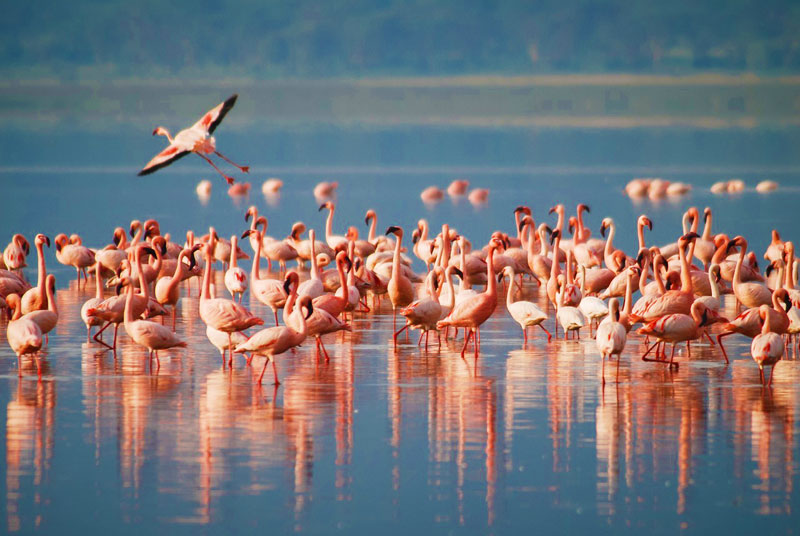
Join us on a breathtaking journey through two of Tanzania’s most iconic wildlife destinations Tarangire National Park and Lake Manyara. This tour offers a perfect combination of immersive safari experiences, rich wildlife encounters, and serene landscapes. With our expertly guided game drives, you’ll have the chance to witness Tanzania’s diverse ecosystems and encounter majestic animals in their natural habitats. Animals like Elephants, Zebras, Giraffe, Flamingo birds and many more. Whether you’re a wildlife enthusiast or simply looking for a serene escape into nature, this two-day adventure promises unforgettable moments.

Itinerary:

Day 1: Tarangire National Park

  • Early morning pick-up from your hotel in Zanzibar.
  • Transfer to Zanzibar Airport for a domestic flight to Arusha Airport.
  • Upon arrival, transfer to Tarangire National Park.
  • Embark on a thrilling game drive in Tarangire National Park, renowned for its large elephant herds and iconic baobab trees. A packed lunch will be provided during your safari.
  • In the evening, transfer to Africa Safari Lake Manyara for an overnight stay in a comfortable tent. Full board (FB) services included.

Day 2: Lake Manyara National Park

  • Start your day with an early breakfast and check-out from your accommodation.
  • Head out for a morning safari in Lake Manyara National Park, famous for its tree-climbing lions, flamingos, and diverse birdlife. Enjoy a packed lunch while exploring this unique ecosystem.
  • After your safari, transfer back to Arusha Airport.
  • Afternoon flight from Arusha to Zanzibar, followed by a transfer back to your hotel.

4 Days 3 Nights Safari From Zanzibar: Ngorongoro, Lake Natron & Tarangire

Immerse yourself in the wonders of Tanzania with this 4-day safari adventure starting from Zanzibar, exploring some of the country’s most iconic wildlife destinations. From the home of Elephants Tarangire National Park to the breathtaking Ngorongoro Crater and the unique beauty of Lake Natron, this tour offers a perfect combination of thrilling wildlife encounters to make sure you get the most of Tanzania wildlife experience.

Itinerary:

Day 1: Tarangire National Park

  • Early morning pick-up from your hotel in Zanzibar.
  • Transfer to Zanzibar Airport for a domestic flight to Arusha Airport.
  • Upon arrival, transfer to Tarangire National Park for a thrilling safari game drive. Tarangire is famous for its large elephant herds and iconic baobab trees. A packed lunch will be provided during the drive.
  • After the safari, transfer to your accommodation for an overnight stay.

Day 2: Ngorongoro Crater

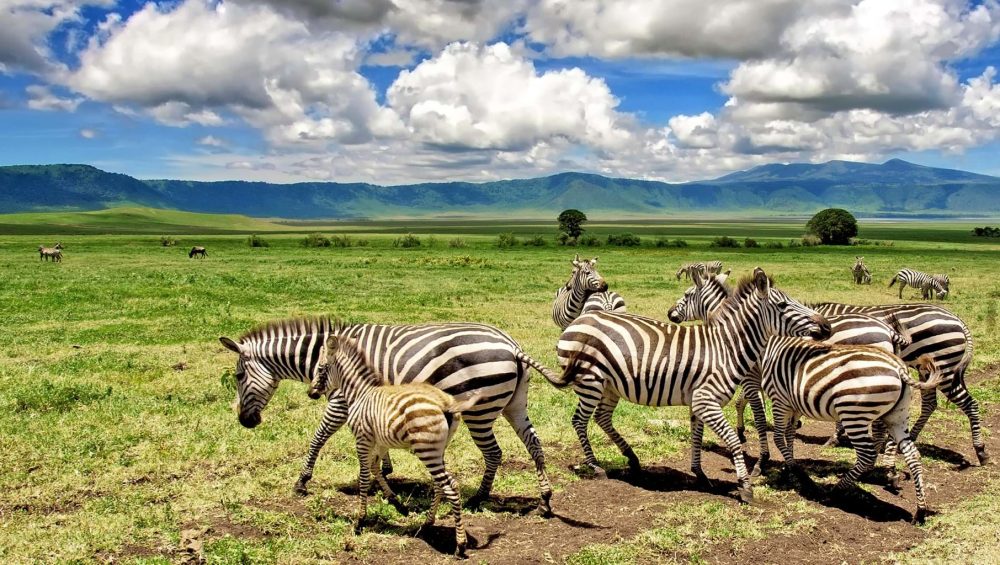
  • Embark on a safari game drive through the spectacular Ngorongoro Crater, one of the world’s most iconic wildlife destinations. Spend up to 6 hours exploring the crater floor, home to the “Big Five” and a variety of other animals.
  • After your crater adventure, overnight at a nearby lodge or camp, surrounded by the beauty of nature.

Day 3: Journey to Lake Natron

  • After breakfast and check-out, take a scenic road trip to Lake Natron, a dramatic landscape known for its unique alkaline waters and flamingo population.
  • Enjoy lunch at Africa Safari Lake Natron, followed by a relaxing afternoon at leisure, where you can unwind by the pool or choose an optional activity such as a nature walk or cultural visit.
  • In the evening, overnight at Africa Safari Lake Natron in a comfortable tent. Full board (FB) services included.

Day 4: Return to Zanzibar

  • Begin your day with an early morning breakfast, followed by a guided walk along the shores of Lake Natron to see its famous flamingos and learn about the region’s ecology.
  • After your walk, embark on a road trip back to Arusha Airport.
  • Afternoon flight back to Zanzibar, followed by a transfer to your hotel.

3 Days 2 Nights Safari From Zanzibar: Ngorongoro, Lake Manyara & Tarangire

Experience the best of Tanzania’s wildlife with our 3-day safari from Zanzibar. You’ll explore three of the country’s most famous destinations – Tarangire National Park, the Ngorongoro Crater, and Lake Manyara National Park. From the vast elephant herds in Tarangire to the breathtaking beauty of Ngorongoro’s volcanic crater, this tour offers the perfect mix of adventure, nature, and relaxation. Prepare for an unforgettable journey into Tanzania’s wilderness with us.

Itinerary:

Day 1: Tarangire National Park

  • Early morning pick-up from your hotel in Zanzibar.
  • Transfer to Zanzibar Airport for a domestic flight to Arusha Airport.
  • Upon arrival, transfer to Tarangire National Park.
  • Enjoy a thrilling game drive in Tarangire, renowned for its large elephant herds, baobab trees, and diverse wildlife. A packed lunch will be provided to enjoy during the drive.
  • In the evening, transfer to Africa Safari Lake Manyara for an overnight stay in a comfortable tent. Full board (FB) services included.

Day 2: Ngorongoro Crater

  • Set off for an unforgettable safari in the Ngorongoro Crater, one of Africa’s most iconic natural wonders. You’ll spend up to 6 hours exploring the crater floor, home to the “Big Five” and a variety of other wildlife.
  • After the game drive, return to Africa Safari Lake Manyara for another overnight stay in a comfort tent. Full board services provided.

Day 3: Lake Manyara & Return to Zanzibar

  • Start your day with an early breakfast and check-out from your accommodation.
  • Enjoy a morning safari game drive in Lake Manyara National Park, known for its tree-climbing lions, vibrant birdlife, and stunning lake views. A packed lunch will be provided.
  • After the game drive, transfer to Arusha Airport for an afternoon flight back to Zanzibar.
  • Upon arrival, transfer to your hotel.

3 Days 2 Nights Safari From Zanzibar: Tarangire & Ngorongoro

Join us on our 3 days breathtaking journey through two of Tanzania’s most iconic wildlife destinations Tarangire National Park and Ngorongoro Crater. This tour offers a perfect combination of immersive safari experiences, rich wildlife encounters, and serene landscapes of Ngorongoro. With our expertly guided game drives, you’ll have the chance to witness Tanzania’s diverse ecosystems and encounter majestic animals like Elephants, Zebras, Giraffe, Flamingo birds and many more.

Itinerary:

Day 1: Tarangire National Park

  • Early morning pick-up from your hotel in Zanzibar.
  • Transfer to Zanzibar Airport for a domestic flight to Arusha Airport.
  • Upon arrival, transfer to Tarangire National Park.
  • Embark on an exciting safari game drive through Tarangire, known for its large elephant herds, giraffes, and stunning landscapes. A packed lunch will be provided during the game drive.
  • Overnight stay at a comfortable lodge or tented camp near Tarangire.

Day 2: Ngorongoro Crater

  • Set off for a safari game drive in the iconic Ngorongoro Crater, with a maximum of 6 hours to explore this extraordinary natural wonder.
  • Discover a rich variety of wildlife, including lions, rhinos, zebras, and flamingos, as you traverse the floor of the crater.
  • Overnight stay at a lodge or camp near the crater rim.

Day 3: Return to Zanzibar

  • Early breakfast and check-out from your accommodation.
  • Transfer to Arusha Airport with a packed lunch provided for your journey.
  • Midday flight from Arusha to Zanzibar, followed by a transfer back to your hotel.