Endemic Bird Watching

Pemba Island is unique in that it hosts several bird species that are endemic to the region, making it a dream destination for bird watchers who are eager to observe rare and special species. Its varied habitats, including coastal areas, forests, and wetlands, create a rich biodiversity that attracts both resident and migratory birds. Pemba’s relative isolation and limited development ensure that its bird populations remain abundant and undisturbed, providing exceptional opportunities for bird watching.

Key Endemic Bird Species in Pemba Island

Pemba is home to a number of endemic bird species, many of which are found nowhere else in the world. Some of the most notable include:

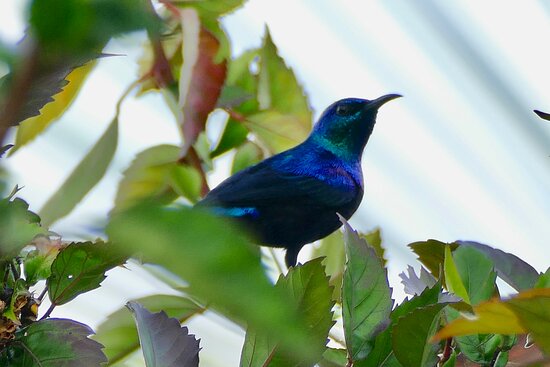
  1. Pemba Sunbird (Nectarinia pembae):

    • Description: The Pemba Sunbird is a small, brightly colored bird with greenish plumage and a long, curved bill. It is one of the most sought-after endemic species in the region. Found in the forests and coastal areas of Pemba, this sunbird feeds on nectar from flowers.

    • Habitat: Forested areas and coastal scrublands.

    • Best Time to See: The dry season, from June to September, is the best time to spot this species.

  2. Pemba Green Pigeon (Treron pembaensis):

    • Description: This large, fruit-eating pigeon has bright green plumage and a distinctive red patch around its neck. It is a rare and elusive species, making it a special find for bird watchers.

    • Habitat: Dense forest and tree canopies, primarily in the central and southern parts of the island.

    • Best Time to See: Early mornings when the pigeons are most active.

  3. Pemba Scops Owl (Otus pembaensis):

    • Description: A small owl that is endemic to Pemba Island, it has a distinctive call and is primarily nocturnal. Due to its secretive nature, spotting this owl can be challenging but rewarding.

    • Habitat: Forests, particularly in areas with dense vegetation.

    • Best Time to See: This owl is best seen at dusk or night.

  4. Pemba White-eye (Zosterops vaughani):

    • Description: A small, lively bird with a white ring around its eyes, this species is known for its agility and is typically found in forests and shrubby areas. It is endemic to Pemba and is often seen foraging for insects and fruits.

    • Habitat: Coastal and forested areas, particularly in the northern and central parts of Pemba.

    • Best Time to See: Early mornings are the best time for spotting Pemba White-eye.

  5. Pemba Violet (Euplectes rahmi):

    • Description: This striking bird is often recognized by its vibrant plumage and is commonly seen in coastal scrub and forest areas. It is closely related to the weaver family and nests in trees, building intricate nests that attract attention.

    • Habitat: Coastal scrub and forested areas, especially in the northern parts of the island.

    • Best Time to See: During the breeding season, which is usually from November to April.

  6. Pemba Batis (Batis pembae):

    • Description: This small, insectivorous bird is endemic to Pemba Island and can be identified by its distinctive black and white plumage, with a contrasting white belly and black wings.

    • Habitat: Dense forests, often near water sources like streams.

    • Best Time to See: Early mornings when the bird is actively foraging.

Best Bird Watching Locations in Pemba Island

Pemba Island offers several key areas for bird watching, where birders can find both endemic species and a diverse range of other birdlife. Some of the best bird-watching spots include:

  1. Ngezi Forest:

    • Description: The Ngezi Forest is one of Pemba’s most significant conservation areas. The forest is rich in biodiversity, providing a perfect habitat for several endemic bird species. It is also home to unique flora and fauna, making it a must-visit for bird watchers.

    • Bird Species to See: Pemba Sunbird, Pemba Scops Owl, Pemba Green Pigeon, Pemba Batis, and Pemba White-eye.

    • Best Time to Visit: Early mornings and late afternoons, when birds are most active.

  2. Pemba’s Coastal Mangroves:

    • Description: The mangrove forests along the coastline of Pemba Island are a vital ecosystem for many bird species. These areas are particularly good for spotting water birds, waders, and seabirds.

    • Bird Species to See: Various species of herons, kingfishers, and migratory shorebirds.

    • Best Time to Visit: Early mornings when water birds are feeding along the shores.

  3. Vumawimbi Beach and the Northern Coast:

    • Description: The northern coastline of Pemba, with its isolated beaches and dense vegetation, is home to a variety of bird species, particularly in the wet season.

    • Bird Species to See: Pemba Green Pigeon, Pemba Sunbird, and seabirds like the Brown Noddy.

    • Best Time to Visit: The wet season, from March to May, as it brings migratory birds to the area.

  4. Shunga Maji Forest Reserve:

    • Description: A lesser-known gem, this forest reserve in the south of Pemba Island is rich in birdlife and provides a serene environment for bird watchers.

    • Bird Species to See: Pemba Batis, Pemba White-eye, and other forest species.

    • Best Time to Visit: Dry season (June to September).

Best Time for Bird Watching in Pemba Island

  • Dry Season (June to September): This is the best time for bird watching, as many endemic birds are more active and visible during this time. The weather is also more favorable for outdoor activities.

  • Wet Season (March to May): This is the peak migratory period, bringing in a variety of migratory birds to the island. However, the rains may make access to certain areas more challenging.

  • Time of Day: Early mornings and late afternoons are the most productive times for bird watching, as this is when birds are feeding and active.

Tips for Bird Watching in Pemba Island

  • Bring Binoculars and a Field Guide: A good pair of binoculars is essential for spotting distant birds, and a field guide to East African birds will help you identify the species you encounter.

  • Hire a Local Guide: Local guides are highly recommended, as they know the best bird-watching spots, the birds’ habits, and can help you locate elusive species like the Pemba Scops Owl or the Pemba Sunbird.

  • Wear Neutral Clothing: To avoid disturbing the birds, wear neutral-colored clothing that blends in with the natural surroundings.

  • Respect the Environment: Stay on marked trails, avoid making loud noises, and keep a safe distance from the birds to minimize your impact on their habitat.
Bird Watching

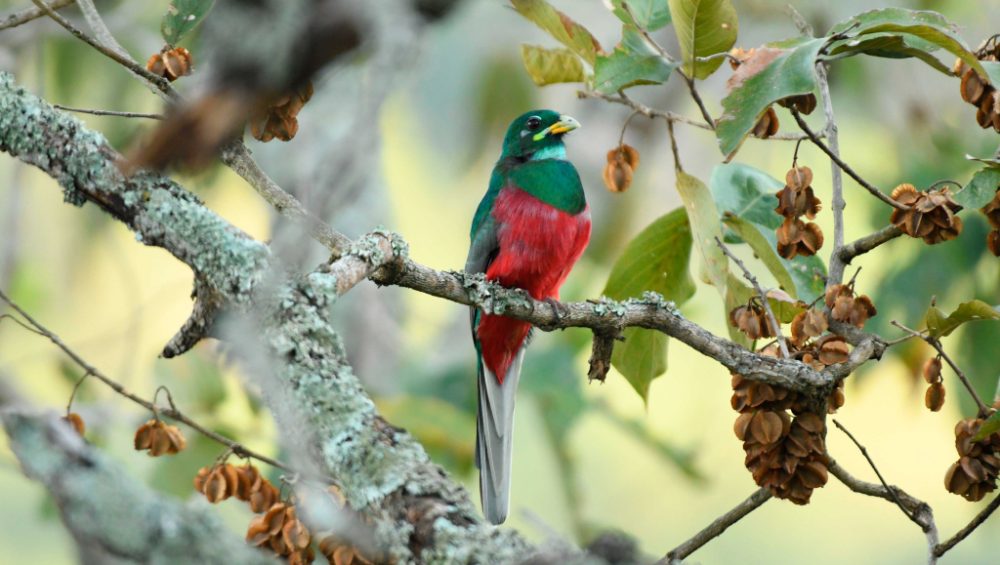
The island is home to a rich variety of bird species, many of which are endemic to Zanzibar and the surrounding region. From coastal ecosystems to lush forests and mangrove swamps, Unguja offers diverse habitats that attract a range of bird species throughout the year.

Why Bird Watching in Unguja?

Zanzibar’s unique location on the East African coast, along with its mix of ecosystems, makes it an excellent destination for bird watching. Unguja, in particular, boasts over 200 species of birds, with several rare and endemic species that are not found anywhere else in the world. Whether you’re an experienced birdwatcher or a beginner, Unguja offers an abundance of opportunities to observe these fascinating creatures in their natural habitats.

Key Bird Watching Spots in Unguja

  1. Jozani Forest Reserve:

    • Description: Jozani Forest is one of the best places for bird watching in Zanzibar. This lush, tropical forest is home to numerous bird species, as well as the famous Zanzibar Red Colobus Monkey. The forest’s rich biodiversity includes both forest birds and wetland species.

    • Bird Species to See: You can spot the endangered Zanzibar Red Bishop, the Zanzibar Weavers, the Fischer’s Turaco, and the African Green Pigeon.

    • Best Time to Visit: Early mornings and late afternoons are the best times for bird watching in Jozani, when the birds are most active.

  2. Ngezi Forest (Pemba Island’s Northern Part):

    • Description: Although not technically on Unguja, Ngezi Forest is part of the larger Zanzibar Archipelago and is well worth a mention for birdwatchers visiting the region. Located on Pemba Island, Ngezi offers a diverse forest environment and is home to several species found only in Zanzibar.

    • Bird Species to See: The rare Pemba Sunbird and the Pemba Green Pigeon are among the highlights for bird watchers in the area.

    • Access: Pemba Island can be reached by ferry or flight from Unguja.

  3. Mangrove Forests (South and West Coast):

    • Description: The coastal mangrove forests around Unguja provide a unique habitat for both resident and migratory bird species. These forests are crucial for the local ecosystem and attract a variety of birds, especially waders and waterfowl.

    • Bird Species to See: Expect to see species like the Lesser Sand Plover, Green-backed Heron, and various species of kingfishers, herons, and egrets.

    • Best Time to Visit: Early morning is the best time to catch glimpses of the waders and other water birds.

  4. Chumbe Island Coral Park:

    • Description: Located just off the coast of Unguja, Chumbe Island is known for its pristine environment, including coral reefs and forests. The island is also an important bird sanctuary.

    • Bird Species to See: Chumbe Island is home to several seabird species, including the Brown Noddy, Sooty Tern, and the Zanzibar Red Bishop. It’s also a great spot for seeing migratory birds.

    • Best Time to Visit: As it’s a small island, visiting in the early morning gives birdwatchers the best chance to spot various species in the relatively quiet environment.

  5. The Coastlines and Beaches:

    • Description: Zanzibar’s extensive coastline, with its sandy beaches, rocky shorelines, and coral reefs, attracts a variety of seabirds and shorebirds. Many migratory birds stop here during their long journey.

    • Bird Species to See: Species commonly found on the beaches include the White-cheeked Tern, the African Skimmer, and the Black-headed Gull. You can also see a variety of migratory shorebirds, including waders like the Turnstone and the Red Knot.

    • Best Time to Visit: The migratory season, which occurs from October to April, is the best time to spot these birds.

  6. Zanzibar’s Spice Farms:

    • Description: While Zanzibar is famous for its spice farms, these areas are also a great place for bird watching. The spice plantations are lush and attract various bird species, both endemic and migratory.

    • Bird Species to See: In the spice farms, look out for the Zanzibar Weaver, the Olive Sunbird, and the Zanzibar Red Bishop.

    • Best Time to Visit: Mid-morning, after the mist has cleared, is a great time to spot birds in the spice farms.

Top Bird Species to Spot in Unguja:

  1. Zanzibar Red Bishop (Euplectes nigroventris):

    • Habitat: Found in coastal and forest areas, this colorful bird is a highlight for bird watchers. Its bright red plumage makes it easy to spot, particularly during the breeding season.

  2. Zanzibar Weaver (Ploceus rahmi):

    • Habitat: Common in the coastal and forested areas of Zanzibar, this weaver is known for its intricately woven nests.

  3. Zanzibar Red-bishop (Euplectes nigroventris):

    • Habitat: This vibrant bird, known for its bright red feathers, is often seen in coastal areas, especially near marshes or wetland zones.

  4. Fischer’s Turaco (Tauraco fischeri):

    • Habitat: A bright green bird often found in forested areas, particularly in Jozani Forest.

  5. Pemba Sunbird (Nectarinia pembae):

    • Habitat: Found on Pemba Island, the Pemba Sunbird is an endemic species and a must-see for serious bird watchers.

  6. Pemba Green Pigeon (Treron pembaensis):

    • Habitat: This rare bird is found in the forests of Pemba Island, but it is an iconic bird for those exploring Zanzibar’s archipelago.

Best Time for Bird Watching in Unguja:

  • Season: The best time for bird watching in Zanzibar is during the wet season (from March to May) and just after the rains, in the months of June to September. This is when birds are most active, and many migratory species are present.

  • Time of Day: Early mornings (around dawn) and late afternoons are when birds are most active, making it the best time for bird watching.

Tips for Bird Watching in Unguja:

  • Bring Binoculars and a Guidebook: To make the most of your bird watching experience, bring a good pair of binoculars and a bird guidebook specific to Zanzibar or East Africa.

  • Hire a Local Guide: Local guides often have extensive knowledge of bird species and the best locations to spot them. They can provide valuable insights into the birds’ behaviors and habits.

  • Wear Neutral Clothing: To avoid disturbing the birds, wear neutral-colored clothing that blends with the surroundings.

  • Respect the Environment: Always maintain a respectful distance from the birds, avoid loud noises, and stay on marked trails to minimize your impact on the environment.

Scuba Diving

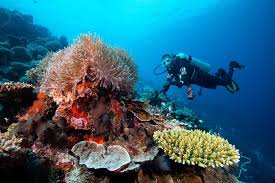
Pemba Island, part of the Zanzibar Archipelago, is a hidden gem for scuba diving enthusiasts. Its crystal-clear waters, vibrant coral reefs, and abundant marine life make it an exceptional destination for diving, often overshadowed by its more famous neighbor, Zanzibar. However, Pemba offers some of the best and most pristine diving experiences in the Indian Ocean. Whether you’re a beginner or an experienced diver, Pemba Island offers dive sites that cater to all levels.


Why Scuba Dive in Pemba Island?

  1. Pristine Coral Reefs

    • Pemba is known for its unspoiled coral reefs, which are home to a wide variety of marine life. These reefs are much less affected by mass tourism compared to Zanzibar, meaning they remain vibrant and healthy, offering divers stunning underwater landscapes.

  2. Rich Marine Life

    • The waters around Pemba are teeming with marine life. From colorful tropical fish to large pelagic species, the underwater world around Pemba offers opportunities to see everything from reef sharks and mantas to dolphins and whale sharks.

  3. Diverse Dive Sites

    • Pemba boasts a range of dive sites, from shallow coral gardens ideal for beginners to deep-water walls and drifts perfect for experienced divers. The island’s dive sites are less crowded than those of other regions, allowing for a more peaceful and immersive experience.

  4. Warm Water and Good Visibility

    • The water temperature in Pemba typically ranges from 26°C to 30°C (79°F to 86°F), making it comfortable year-round for diving. The visibility is often excellent, ranging from 20 to 40 meters (65 to 130 feet), allowing divers to fully enjoy the underwater environment.

  5. Marine Conservation

    • Pemba is part of the Pemba Channel Conservation Area, which is a key area for marine life conservation. This area is carefully managed to preserve its biodiversity, making it a great destination for eco-conscious divers.


Best Dive Sites in Pemba Island

1. Ngezi Forest Marine Reserve

  • Location: Near the western coastline of Pemba Island, this reserve is home to vibrant coral gardens, particularly popular for those who enjoy exploring shallow reefs.

  • Depth: Shallow to intermediate (10-30 meters).

  • Marine Life: Expect to see butterflyfish, angelfish, moray eels, and green sea turtles. There are also opportunities to spot reef sharks and octopuses.

2. Misali Island

  • Location: Just off the coast of Pemba, Misali Island is one of the most popular dive destinations in the region.

  • Depth: 10-40 meters, with varying depths at different dive sites around the island.

  • Marine Life: Misali is renowned for its diverse marine life, including rays, large schools of fish, reef sharks, dolphins, and the occasional whale shark. The coral reefs are in pristine condition, offering beautiful underwater scenery.

  • Highlights: Misali is part of a marine conservation area, so the dive sites are protected and less frequented by large crowds.

3. Ras Mkumbuu

  • Location: On the northern coast of Pemba Island, Ras Mkumbuu is another highly regarded dive site.

  • Depth: 15-40 meters.

  • Marine Life: This site is famous for its deep coral drop-offs and offers an incredible array of marine life, including sailfish, blacktip reef sharks, and groupers. The site also features dramatic underwater topography, with caves and overhangs.

  • Highlights: Ras Mkumbuu is known for its strong currents, making it ideal for experienced divers who enjoy drift diving.

4. Lighthouse Reef (Ras Kisimani)

  • Location: Close to the southern tip of Pemba Island, near Ras Kisimani.

  • Depth: 12-40 meters.

  • Marine Life: Divers can encounter a variety of species, such as napoleon wrasse, triggerfish, and kingfish. The area is also known for its swimming with dolphins opportunities, and the coral formations are exceptionally vibrant.

  • Highlights: The visibility here is often fantastic, and the reefs are teeming with life. The site also features some of the most spectacular drop-offs and coral gardens in the region.

5. The Pemba Channel (The Pemba Drift)

  • Location: Situated between Pemba Island and the mainland of Tanzania.

  • Depth: Varies from shallow to deep water.

  • Marine Life: The Pemba Channel offers a chance to see a range of pelagic species, including dolphins, whale sharks, mantas, and tuna. Big fish like marlin and wahoo can also be seen here.

  • Highlights: The Pemba Drift is a drift diving site where the current moves you effortlessly along underwater walls and drop-offs, offering a thrilling and scenic dive experience.

6. Fundo Gap

  • Location: Near the southern end of Pemba Island.

  • Depth: 20-45 meters.

  • Marine Life: This is a deeper dive site known for its large pelagic fish, including tuna, groupers, and reef sharks. Occasionally, you might spot manta rays and whale sharks.

  • Highlights: The strong currents here offer an exciting drift dive experience, and the site is relatively less crowded, providing a peaceful environment to explore.


Types of Diving Offered in Pemba

1. Reef Diving

Pemba’s coral reefs are some of the most beautiful and diverse in the world, offering shallow and intermediate dive sites that are ideal for those new to scuba diving or for those who simply enjoy exploring vibrant underwater ecosystems.

2. Drift Diving

Drift diving is a favorite on Pemba, especially around sites like Ras Mkumbuu and the Pemba Channel, where the currents provide an exhilarating ride along the reefs, allowing divers to cover large areas of coral and see a wide variety of marine life.

3. Deep Diving

For more experienced divers, Pemba Island offers deep diving opportunities, with drop-offs, underwater caves, and dramatic underwater landscapes. Sites like Ras Mkumbuu and Fundo Gap are perfect for exploring deeper waters.

4. Night Diving

Some dive operators in Pemba offer night diving experiences, where divers can see nocturnal creatures like squid, octopuses, and sleeping fish. The underwater world takes on a completely different vibe at night, providing a unique and fascinating experience.

5. Wreck Diving

While Pemba is better known for its healthy coral reefs, there are also wreck sites nearby that offer an exciting diving experience. These wrecks are often home to marine life, such as moray eels and groupers, making them an interesting alternative for seasoned divers.


Best Time to Scuba Dive in Pemba

The best time to visit Pemba Island for scuba diving is during the dry season, which runs from June to October. During these months, the weather is calmer, visibility is excellent, and the sea conditions are ideal for diving.

While diving is possible year-round, the rainy season (from March to May) brings heavier rains and rougher seas, which might affect diving conditions. However, some dive sites can still be explored during this period.


What to Expect on a Scuba Diving Tour

  • Diving Operators: Pemba has several reputable dive operators that provide PADI (Professional Association of Diving Instructors) courses, guided dives, and equipment rental. Most operators will arrange boat transfers to the dive sites.

  • Safety Briefings: Before diving, you’ll receive a safety briefing from the dive guide, covering diving procedures, emergency protocols, and what to expect underwater.

  • Equipment: Dive operators provide all the necessary scuba gear, including masks, fins, wetsuits, tanks, and regulators. If you prefer to use your own gear, it’s usually okay to bring it.

  • Conservation Focus: Many operators in Pemba are committed to sustainable tourism and marine conservation. They educate divers about the importance of preserving the reefs and minimizing their environmental impact.


Conclusion

Scuba diving in Pemba Island offers an unforgettable experience, with its pristine reefs, abundant marine life, and breathtaking underwater landscapes. Whether you’re a beginner looking to explore shallow coral gardens or an experienced diver seeking thrilling drift dives and deep-water adventures, Pemba has something for everyone. With a commitment to sustainability and conservation, it’s also a great destination for eco-conscious divers. The island’s dive sites remain relatively untouched by mass tourism, ensuring that each dive is a unique and peaceful experience in one of the most beautiful marine environments in the world.

Mangroves Tour

Pemba Island, located in the Zanzibar Archipelago, is home to a rich diversity of ecosystems, one of the most unique and valuable being its mangrove forests. These coastal habitats, where saltwater meets land, are teeming with life and play a crucial role in maintaining the health of the local environment. A mangrove tour in Pemba offers visitors the opportunity to explore these fascinating ecosystems, learn about their ecological importance, and experience the beauty of one of the world’s most vital yet endangered environments.


What Are Mangroves?

Mangroves are coastal ecosystems characterized by salt-tolerant trees and shrubs that grow in shallow waters along the shorelines. These forests are important because they protect coastal areas from erosion, act as nurseries for marine species, filter pollutants, and serve as carbon sinks. They are also home to a wide variety of flora and fauna, including many bird species, fish, and crustaceans.


Why Visit Mangroves in Pemba?

1. Rich Biodiversity

Pemba Island’s mangrove forests are home to diverse wildlife. During a mangrove tour, visitors can spot a variety of species, including:

  • Birds: The mangroves attract several species of wading birds and waterfowl, including herons, egrets, kingfishers, and hornbills. Birdwatchers will enjoy the sight of these graceful creatures in their natural habitat.

  • Marine Life: Mangroves provide a safe haven for juvenile fish, shrimp, and crabs. It’s not uncommon to see fish like snapper, barracuda, and grouper in the waters around the mangroves. Mudskippers and crabs scuttle along the mudflats.

  • Insects and Other Wildlife: The mangrove environment is home to various species of insects, as well as small mammals and reptiles, making it a fantastic site for nature lovers.

2. Eco-Tourism and Conservation

Mangrove ecosystems are under threat worldwide due to human activities, such as deforestation and coastal development. By participating in a mangrove tour, visitors not only enjoy the natural beauty but also contribute to raising awareness and supporting local conservation efforts. In Pemba, many tours are organized by local communities and eco-tourism operators who are working to protect these vital ecosystems.

3. Stunning Scenery

Mangrove forests create unique landscapes, with their root systems emerging from the water like intricate, twisted networks. The contrast between the deep green of the mangroves and the blue of the surrounding water is visually striking. Many tours take visitors through these areas by boat, offering views of the mangrove trees against the backdrop of the Indian Ocean.


Popular Mangrove Tour Locations in Pemba

Several regions around Pemba Island offer wonderful opportunities for mangrove exploration. Some of the top areas for mangrove tours include:

1. Ras Kigomasha (Northwestern Pemba)

  • Location: Situated on the northwestern tip of Pemba Island, Ras Kigomasha is home to some of the most extensive and intact mangrove forests in the region.

  • Experience: Visitors can take boat tours through the mangroves, paddle along the waterways, and enjoy the wildlife. Ras Kigomasha is also a popular spot for other activities, like snorkeling and birdwatching, making it a great multi-activity destination.

  • Highlights: The calm, shallow waters are perfect for paddling through the mangroves in a canoe or kayak.

2. Misali Island (Off the Coast of Pemba)

  • Location: Just off the coast of Pemba, Misali Island is a protected area known for its stunning coral reefs, as well as its vibrant mangrove forests.

  • Experience: Misali’s mangroves are rich in biodiversity, and the island is an excellent destination for eco-tours. Visitors can explore the mangroves by boat, enjoy snorkeling in the nearby coral reefs, and observe the marine life supported by the mangroves.

  • Highlights: The marine conservation efforts around Misali Island have helped to maintain the health of the local mangrove ecosystem, making it a significant location for sustainable tourism.

3. Vumawimbi Beach (Southern Pemba)

  • Location: Located on the southern coast of Pemba, Vumawimbi Beach is famous for its pristine coastline, but it also offers excellent opportunities for mangrove exploration.

  • Experience: A boat ride through the mangrove swamps around this area provides the opportunity to observe the unique root systems and the variety of wildlife that thrives in the mangroves.

  • Highlights: This area is quieter and less touristy, making it ideal for a peaceful, nature-focused mangrove tour.

4. Chake Chake (Central Pemba)

  • Location: The main town of Chake Chake, located in central Pemba, is another access point for mangrove tours. It offers easy access to nearby mangrove forests on the island’s coast.

  • Experience: Chake Chake’s proximity to both the mainland and the surrounding waterways makes it an excellent base for exploring the mangrove forests and experiencing local culture.

  • Highlights: The area is also home to local fishing communities, which allows visitors to learn about the role of mangroves in supporting the island’s fisheries.


What to Expect During a Mangrove Tour

A typical mangrove tour on Pemba Island is led by an experienced guide, often from a local community, who will provide insights into the ecology of the mangrove forests and the importance of these habitats to the local environment and economy. Here’s what you can expect:

1. Boat or Canoe Ride

  • Most mangrove tours are conducted by boat or canoe. The calm waters around the mangroves are perfect for navigating through narrow, winding waterways surrounded by the lush greenery of the trees.

  • Some tours may offer kayaking, which allows for a more hands-on and intimate exploration of the mangroves at your own pace.

2. Wildlife Observation

  • As you glide through the mangrove forests, keep an eye out for the diverse wildlife. Guides will often point out various bird species, fish, and crustaceans that inhabit these ecosystems.

  • Birdwatching is a key highlight of the tour, with opportunities to spot species like egrets, kingfishers, and hornbills perched in the trees or hunting for food in the water.

3. Educational Experience

  • Your guide will explain the role of the mangrove forests in coastal protection, water filtration, and their importance to marine life. You may also learn about local conservation efforts and how communities are working to protect the mangroves from threats like overfishing and development.

4. Cultural Insights

  • Some tours may include a visit to local fishing villages where you can learn about the connection between the mangroves and the community’s way of life. The forests provide resources for the local people, and many still rely on traditional methods of fishing, which are closely tied to the health of the mangrove ecosystem.


Best Time to Go on a Mangrove Tour

The best time to visit Pemba for a mangrove tour is during the dry season, from June to October, when the weather is most favorable for outdoor activities. During this period, the waters are calm, and wildlife is more active, making it perfect for boat trips and wildlife watching.

However, tours are available year-round, with rainy season (from March to May) being the off-peak period, although rain showers tend to be short-lived, and the ecosystem is still rich in biodiversity.


What to Bring on Your Mangrove Tour

  • Sunscreen: Protect yourself from the strong sun, especially during boat trips.

  • Light Clothing: Wear comfortable, breathable clothes, preferably in light colors to stay cool.

  • Water Shoes: If you plan to walk through the mangroves or go on a kayak, wearing water-resistant shoes will help.

  • Camera: Don’t forget your camera or smartphone to capture the stunning scenery and wildlife.

  • Binoculars: If you’re a birdwatching enthusiast, binoculars will help you spot distant birds and other wildlife.


Conclusion

A mangrove tour in Pemba Island offers an unforgettable opportunity to explore one of the most important and beautiful ecosystems on Earth. With rich biodiversity, a chance to learn about sustainable conservation efforts, and the serenity of paddling through winding waterways surrounded by lush greenery, it’s a must-do experience for nature lovers, eco-tourists, and those looking to connect with the local culture. Whether you’re gliding through the waters in a traditional canoe, observing the wildlife, or simply enjoying the peaceful surroundings, a mangrove tour in Pemba is an adventure that will stay with you long after the tour ends.

Fishing Activity

Whether you’re a novice looking to experience fishing for the first time or an experienced angler seeking deep-sea thrills, Pemba Island offers a variety of fishing activities, from traditional methods to sport fishing adventures.

Here’s a comprehensive guide to fishing in Pemba Island:


1. Types of Fishing in Pemba

a. Deep-Sea Fishing (Big Game Fishing)

Pemba Island is known for its world-class big game fishing, attracting anglers from around the world to try their luck at catching some of the most prized fish in the Indian Ocean. The deep waters surrounding Pemba are home to a diverse array of big game fish.

  • Targeted Species:

    • Marlin (especially Black Marlin and Blue Marlin)

    • Sailfish

    • Yellowfin Tuna

    • Wahoo

    • Barracuda

    • Giant Trevally

    • Mahi-Mahi (Dorado)

  • Fishing Gear and Boats: Many of the deep-sea fishing trips in Pemba are conducted on well-equipped fishing boats with advanced gear, including rods, reels, and fish-finding sonar. You can hire boats with experienced guides and crews who know the best spots for fishing.

  • Fishing Techniques: Common techniques for deep-sea fishing include trolling, where lures or bait are dragged behind a moving boat, and bottom fishing, where bait is dropped to the ocean floor to catch species like snapper or grouper.

  • Best Time to Fish: The best time for deep-sea fishing in Pemba is typically from October to March when the waters are calm and the fish are abundant. However, marlin and sailfish fishing is excellent from August to October.

b. Reef Fishing (Inshore Fishing)

For those looking for a more relaxed fishing experience, reef fishing is a fantastic way to explore Pemba’s rich, shallow coral reefs. These reefs are teeming with smaller but highly sought-after fish, making it a rewarding experience for both beginners and experienced anglers.

  • Targeted Species:

    • Snapper

    • Grouper

    • Kingfish

    • Barracuda

    • Rabbitfish

    • Wrasse

    • Parrotfish

  • Fishing Methods: Inshore fishing can be done using simple techniques like casting, bottom fishing, or fly fishing in the shallow waters near coral reefs and drop-offs. Boats are usually smaller, and the fishing trips are shorter in duration compared to deep-sea expeditions.

  • Fishing Experience: Reef fishing allows anglers to fish in beautiful, calmer waters, often in the proximity of the island’s beaches and sandbanks. The crystal-clear waters make it an excellent spot for fishing and enjoying the underwater scenery.

c. Traditional Fishing (Local Fishing Methods)

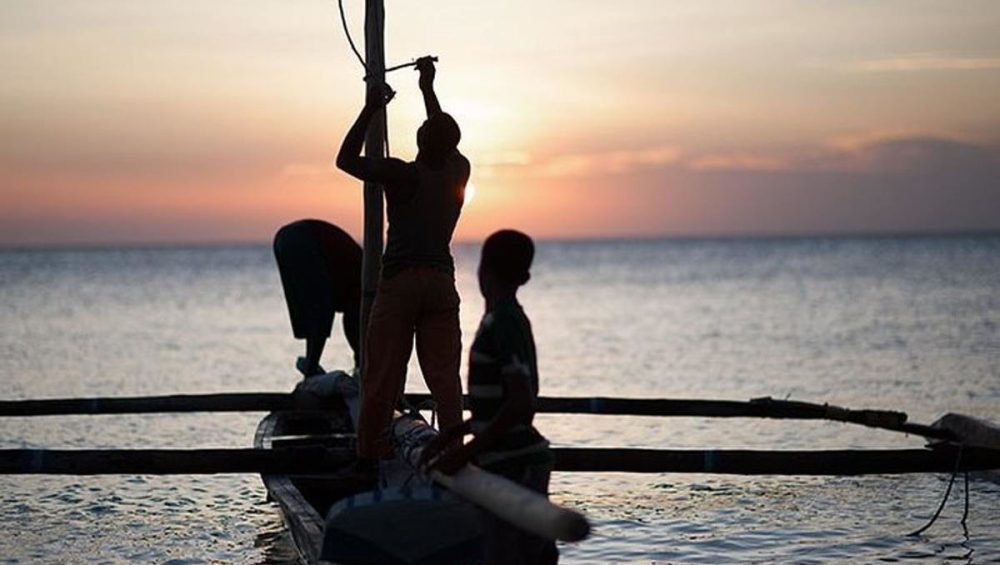
Pemba is home to local fishermen who have been using traditional fishing methods for centuries. This style of fishing offers a more culturally immersive experience, where visitors can join local communities to fish using age-old techniques.

  • Fishing with Nets: Local fishermen often use traditional fishing nets to catch fish near the shore. The process involves casting large nets from wooden boats or even from the shore, then hauling them back in to collect the catch.

  • Hand Line Fishing: Some fishermen still use hand lines (fishing lines without reels) to catch fish, particularly in shallow waters near coral reefs.

  • Cultural Experience: Participating in a traditional fishing trip allows you to learn about the daily life of local fishermen and their close connection with the sea. It’s a great opportunity for those looking for a more authentic and off-the-beaten-path fishing experience.


2. Best Locations for Fishing in Pemba

Pemba’s diverse waters provide several great spots for fishing, both for sport fishing and traditional methods. Some of the top fishing locations include:

a. Ras Mkumbuu (Northwestern Pemba)

  • Location: Ras Mkumbuu, located on the northwestern coast of Pemba Island, is an excellent spot for both deep-sea fishing and reef fishing.

  • Fishing Highlights: This area is rich in fish species, including marlin, tuna, and other big game fish. It’s also a great spot for those interested in traditional fishing with the local communities.

b. Ras Kigomasha (Northern Tip of Pemba)

  • Location: Ras Kigomasha is the northernmost point of Pemba Island and is a key location for fishing enthusiasts.

  • Fishing Highlights: The deep waters around this point are famous for their big game fishing, especially for marlin, sailfish, and tuna. The Kigomasha Peninsula offers excellent fishing spots with dolphin sightings and beautiful landscapes.

c. Vumawimbi Beach (Southern Pemba)

  • Location: Vumawimbi Beach, situated in the south of Pemba Island, is a serene and scenic location popular for reef fishing and traditional fishing.

  • Fishing Highlights: The shallow waters here are teeming with species like snapper and grouper. It’s also a great location for those looking to fish in calmer, more tranquil waters.

d. Misali Island (Off the Coast of Pemba)

  • Location: Located just off the coast of Pemba, Misali Island is a marine conservation area with rich coral reefs, making it a prime spot for both reef fishing and snorkeling.

  • Fishing Highlights: The waters around Misali are home to a variety of fish, including sailfish and mahi-mahi. It’s also a great spot for traditional fishing methods, where you can learn from local fishermen.


3. Fishing Tours and Charters in Pemba

Several tour operators and hotels in Pemba offer fishing trips for tourists, catering to both experienced anglers and beginners. These charters often provide all the necessary equipment, experienced guides, and boats for the perfect fishing trip.

  • Full-Day or Half-Day Charters: Most fishing trips last between 4 to 8 hours, depending on whether you’re opting for inshore reef fishing or deep-sea fishing.

  • All-Inclusive Packages: Some tours include lunch, snacks, and refreshments, and they may also arrange for the fish you catch to be cooked for you as part of the experience.

  • Private vs Group Tours: You can choose from private fishing trips, where you get the full attention of your guide, or group tours, which can be a more affordable option for families or groups of friends.


4. Fishing Seasons and Best Times to Fish

The best time for fishing in Pemba Island generally follows the dry season:

  • High Season (Dry Season): The dry season, from June to October, is considered the best time for fishing, especially for big game fishing, as the weather is calmer, and fish like marlin and sailfish are more abundant.

  • Low Season (Rainy Season): While the rainy season (from March to May) can still offer good fishing opportunities, the seas can be rougher, and some areas may be less accessible due to weather conditions.


5. What to Bring for Your Fishing Trip

  • Sunscreen: The sun in Pemba can be intense, so it’s important to bring sunscreen to protect your skin.

  • Hat and Sunglasses: A wide-brimmed hat and sunglasses will protect you from the sun and help with visibility on the water.

  • Comfortable Clothing: Wear lightweight, breathable clothing, such as a t-shirt and shorts, and bring a light jacket if you’re going on a full-day trip as it may get cooler in the evening.

  • Water and Snacks: Even though many fishing tours include refreshments, it’s always a good idea to bring your own water, especially during long trips.

  • Camera: You’ll want to capture the stunning views and your big catch, so don’t forget a waterproof camera!


Conclusion:

Fishing in Pemba Island is a rewarding and exciting activity for both novice anglers and seasoned professionals. With its abundance of big game fish, rich coral reefs, and calm, picturesque waters, Pemba offers a unique fishing experience. Whether you’re looking for deep-sea adventure, inshore fishing, or a cultural experience with local fishermen, there’s something for everyone on this beautiful island. From the thrill of reeling in a sailfish to the peacefulness of fishing near Misali Island, a fishing trip in Pemba will surely be a highlight of your visit.

Pemba Sunset Cruise

A sunset cruise in Pemba Island is a magical experience that allows visitors to witness the island’s stunning natural beauty from a unique perspective — the water. Known for its pristine beaches, crystal-clear waters, and vibrant marine life, Pemba offers some of the most breathtaking sunset views in East Africa. A sunset cruise on this island is not just about the view; it’s an opportunity to relax, unwind, and immerse yourself in the tranquil surroundings of the Indian Ocean.

Here’s a comprehensive guide to a sunset cruise in Pemba Island:


Key Features of a Sunset Cruise in Pemba

1. Scenic Views of the Ocean and Coastline

As the day transitions into night, the Pemba coastline transforms into a stunning canvas of colors. During a sunset cruise, you’ll have the opportunity to sail along the coastline and watch as the sun dips below the horizon, painting the sky with hues of orange, pink, and purple.

  • Panoramic Views: Depending on your departure point, you’ll be able to witness the rugged coastline of Pemba, the lush forests, and the glistening waters of the Indian Ocean. Some sunset cruises may also offer views of nearby smaller islands and the surrounding coral reefs.

  • Peaceful Atmosphere: As the boat glides across the calm waters, you’ll enjoy the serenity of the moment, with nothing but the sound of the waves and the gentle breeze. This peaceful setting makes for a perfect evening of relaxation and reflection.

2. Traditional Dhow Sailing Experience

Many sunset cruises on Pemba Island are conducted aboard a traditional dhow, a wooden boat with a large sail that has been used by East African coastal communities for centuries. Sailing on a dhow not only adds to the authenticity of the experience but also provides a glimpse into the island’s maritime heritage.

  • Dhow Culture: The dhow is a symbol of the Swahili culture along the East African coast. By sailing on one, you’ll feel connected to centuries of local tradition.

  • Cultural Insights: Some dhow operators also share stories about the local culture, fishing techniques, and the history of Pemba Island while you cruise.

3. Unforgettable Sunset Views

The highlight of any sunset cruise is the sunset itself. As the sun sinks lower in the sky, the ocean reflects the colors of the sky, creating a magical atmosphere. The waters around Pemba are especially clear, making for stunning views of the horizon.

  • Romantic Experience: Whether you’re traveling with a partner, friends, or family, the sunset cruise offers a romantic and intimate setting. The breathtaking views and the calming atmosphere make it an ideal experience for couples looking to enjoy a special moment together.

  • Photography Opportunities: Sunset cruises are perfect for photography enthusiasts. The changing light, vibrant colors, and scenic backdrop provide endless opportunities for beautiful photos.

4. Refreshments and Light Snacks

Many sunset cruises in Pemba include complimentary drinks and light snacks as part of the experience. You might enjoy tropical fruit, snacks like samosas or fish, and refreshing drinks such as coconut water, local juices, or sundowners like beer or wine.

  • Savor Local Flavors: You may also get a taste of Pemba’s local seafood, such as grilled fish or prawns, making the experience even more immersive.

5. Wildlife and Marine Life

Pemba Island is surrounded by a marine-rich environment, which means that a sunset cruise might give you the opportunity to spot some local wildlife, both in the water and on the surrounding shores.

  • Dolphins and Marine Life: Pemba is known for its dolphin sightings, and some sunset cruises may allow you to spot playful dolphins swimming near the boat. You may also see other marine creatures like sea turtles or colorful fish.

  • Birdwatching: The island’s coastline is home to several species of seabirds, and birdwatchers can enjoy seeing species like herons, terns, and kingfishers as they glide over the water.


Where to Go for a Sunset Cruise in Pemba

There are several departure points for sunset cruises on Pemba Island, and many local tour operators offer these cruises from various locations. Here are some popular spots to consider:

1. Wete (Main Port Town)

  • Location: Wete is the largest town on Pemba Island and a popular base for visitors. It offers easy access to the surrounding waters, and there are many dhow operators offering sunset cruises.

  • Experience: Cruises from Wete typically explore the nearby Kigomasha Peninsula or head out toward the open waters for wider views of the sunset.

2. Pemba’s Northern Coast (Ras Kigomasha)

  • Location: The northern tip of Pemba, especially around Ras Kigomasha, offers some of the island’s most dramatic coastlines. This area is less crowded, which could provide a more peaceful and secluded sunset cruise experience.

  • Experience: You can enjoy spectacular views of both the coastline and the open sea while experiencing a more private, tranquil sunset.

3. Chake Chake (Central Town)

  • Location: The central town of Chake Chake also serves as a departure point for sunset cruises. It’s located near the island’s main roads, offering good access to the coastline and nearby islands.

  • Experience: Chake Chake’s location makes it a good spot to take a cruise to the nearby islands, and you’ll enjoy a combination of sunset and the scenery of Pemba’s forests and beaches.

4. Vumawimbi Beach (Southern Coast)

  • Location: If you’re staying near Vumawimbi Beach, a more secluded and serene beach destination on Pemba’s southern coast, you can easily access sunset cruises that head out from the beach into the open waters.

  • Experience: The location is perfect for those seeking a more remote, peaceful experience with minimal tourist crowds.


Best Time for a Sunset Cruise in Pemba

The best time for a sunset cruise on Pemba Island is during the dry season, from June to October, when the weather is clear and pleasant, and the seas are calm. However, sunset cruises are available year-round. Keep in mind that the actual time of the sunset varies by season, but typically, you’ll embark on a cruise in the late afternoon, around 4:30 PM to 5:30 PM, and enjoy the full beauty of the sun setting over the Indian Ocean.


Things to Consider Before Embarking on a Sunset Cruise

  • Booking in Advance: While sunset cruises are commonly available, it’s a good idea to book your trip in advance, especially during peak tourist seasons (July, August, and December to March).

  • Bring Essentials: It’s recommended to bring sunglasses, sunscreen, and a light jacket or shawl for cooler evenings, especially if you’re cruising during the shoulder months.

  • Capture the Moment: Don’t forget your camera to capture the stunning views, but also take time to just relax and soak in the experience.

  • Weather Conditions: In the rainy season (March to May), weather conditions might be unpredictable, so always check the forecast and consult with your tour operator for the best cruising conditions.


Conclusion:

A sunset cruise in Pemba Island offers an unforgettable experience, allowing you to enjoy the beauty of the island’s coastline, its tranquil waters, and the breathtaking colors of the evening sky. Whether you’re cruising aboard a traditional dhow or a modern boat, the experience is both relaxing and awe-inspiring. With the chance to witness stunning sunsets, encounter marine life, and indulge in local refreshments, a sunset cruise is a must-do activity when visiting Pemba Island. It’s the perfect way to end a day on this beautiful island, creating lasting memories of its natural wonders.

Historical Site Tour: Pujini & Mkamandume

Pemba Island is rich in history, with its unique culture and significant historical sites that reflect the island’s role in regional trade, culture, and its interaction with various civilizations over centuries. One of the more fascinating historical sites on Pemba is Pujini and the Mkamandume Ruins. These two locations offer a deep dive into Pemba’s past, particularly regarding the ancient Swahili culture and Islamic influence.

Here’s a comprehensive look at the Pujini and Mkamandume historical sites:


1. Pujini:

Pujini is a small village on the western side of Pemba Island, which holds significant historical and cultural value due to its ancient ruins and its importance during the era of the Swahili city-states and the spread of Islam in East Africa. The village is home to various remnants of the past, including mosques, tombs, and old Swahili architecture. While not a large tourist destination, it remains a spot of historical interest for those looking to explore the less-traveled parts of Pemba.

Key Features of Pujini:

  • Ancient Mosques and Tombs: One of the most notable historical features of Pujini is the presence of old mosques and Islamic tombs. These sites offer a glimpse into the Islamic influence that spread through East Africa and the Swahili Coast. Some of the mosques are believed to be centuries old and still used by the local community for religious purposes.

  • Swahili Architecture: The village of Pujini offers examples of traditional Swahili-style architecture, which is characterized by coral-stone buildings, intricate carvings, and flat-roofed houses. These buildings reflect the unique blend of African, Arab, and Persian influences that shaped the coastal culture.

  • Historical Significance: Pujini was an important village in the past as part of the Swahili coast trade routes, which connected East Africa to the Arabian Peninsula, India, and beyond. The site’s historical significance lies in its role as a religious and commercial center, with people from various parts of the world passing through on trade missions.

  • Traditional Farming: Visitors to Pujini can also learn about traditional farming practices in the area, where crops like coconuts, cassava, and cloves are grown. The village’s connection to agriculture is a big part of the local economy, and many visitors are introduced to the farming lifestyle during historical tours.


2. Mkamandume Ruins:

The Mkamandume Ruins are another important historical site located in Pemba Island, near Pujini. These ruins are believed to be the remnants of an ancient settlement that dates back to the 12th-15th centuries, during the height of the Swahili city-states. Mkamandume was once a thriving settlement, and the ruins today provide a fascinating look into the island’s past.

Key Features of Mkamandume Ruins:

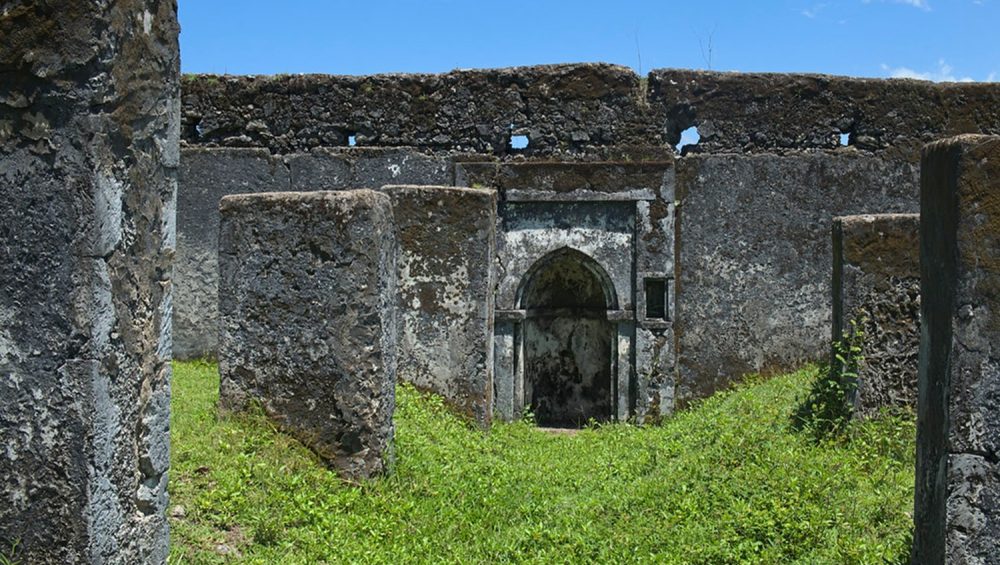
  • Ancient Settlement: The Mkamandume site is home to the remnants of Swahili-style houses, fortified walls, and ancient tombs. The layout of the settlement suggests it was an organized village or small town, serving both as a hub for local trade and a place of cultural and religious importance.

  • Archaeological Significance: The Mkamandume ruins have been a focus of archaeological research due to the wealth of artifacts that have been uncovered at the site. These include pottery, jewelry, and tools that reveal details about daily life during the Swahili period. The discovery of Islamic pottery and Persian glass shows the extensive trade links with the outside world, particularly the Arabian Peninsula and Persia.

  • Historical Role: Mkamandume is believed to have been an important commercial and trade center during the medieval period, when the Swahili Coast was a thriving network for trade between Africa, the Middle East, and Asia. The village likely engaged in the trade of valuable goods like ivory, gold, slaves, and spices, which were transported along the Indian Ocean trade routes.

  • Islamic Influence: The site also contains Islamic elements, including mosques and tombs, reflecting the spread of Islam through East Africa. Islamic architecture, including mihrabs (prayer niches) and the use of coral stone, are prominent in the ruins, showcasing the fusion of Arab and African cultures.

Things to See and Do at Mkamandume Ruins:

  • Explore the Ruins: Walking through the site, you’ll find remnants of walls, buildings, and tombs that were once part of a thriving community. The layout of the village, with its winding paths and clearly defined living spaces, allows for a vivid mental reconstruction of what life was like at its peak.

  • Learn About the Swahili Civilization: A local guide will provide insights into the historical significance of Mkamandume, the importance of the Swahili civilization, and its role in the development of East African trade. You’ll learn about the influence of Arab traders on the region and how Islam became deeply integrated into the culture.

  • Photography: The historical ruins, surrounded by lush greenery, provide a stunning backdrop for photography. Capture the beauty of ancient Swahili architecture and the natural landscape surrounding the site.

  • Visit the Tombs: There are several ancient tombs scattered throughout the Mkamandume ruins, which reflect the burial traditions of the time. These sites often spark curiosity and offer a glimpse into the spiritual and religious practices of the ancient Swahili people.


Things to Know Before Visiting Pujini & Mkamandume:

  • Guides: Since both Pujini and Mkamandume are not as heavily visited as other parts of the island, it’s recommended to hire a local guide. A knowledgeable guide can provide invaluable historical context and details about the sites, ensuring you have a richer experience.

  • Access: The ruins are located in a more remote part of Pemba, so the trip may require some time to reach. You can hire a local driver or take a tour from towns like Chake Chake or Wete.

  • What to Wear: Since these sites are outdoor, it’s advisable to wear comfortable walking shoes and bring a hat or sunscreen, especially during the hotter months. Lightweight clothing is also recommended for exploring the ruins.

  • Respect for Local Culture: These are important cultural and historical sites for the local communities. It’s important to be respectful of the people living in the area and follow any guidelines set by local authorities or guides.


Conclusion: Exploring the Rich History of Pujini and Mkamandume

The Pujini and Mkamandume historical sites offer an in-depth look into the Swahili civilization, the spread of Islam along the East African coast, and the island’s role as a commercial hub. The ruins at Mkamandume provide a direct connection to the island’s past, offering a fascinating look at ancient Swahili trade, Islamic culture, and traditional architecture. A visit to these sites allows you to connect with the historical roots of Pemba Island, making it a valuable destination for history enthusiasts and those interested in exploring the cultural legacy of the Swahili coast.

By visiting Pujini and the Mkamandume Ruins, you will not only gain a deeper understanding of Pemba’s past but also appreciate the cultural and historical significance of these once-thriving settlements. Whether you’re a history buff or simply seeking to explore the hidden gems of Pemba, these sites offer a rewarding and educational experience.

Spice Tour in Mtabwe

The Spice Tour in Mtabwe (a village located on the northern part of Pemba) offers visitors the chance to experience the island’s agricultural richness, learn about the history of spice cultivation, and immerse themselves in the local culture. Here’s a comprehensive overview of the Spice Tour in Mtabwe:


Key Features of the Mtabwe Spice Tour

1. History and Significance of Spices in Pemba

Pemba Island, like the rest of the Zanzibar Archipelago, has a long history as a spice-producing region. It is often referred to as the “Spice Island” due to its vast production of cloves, nutmeg, cinnamon, cardamom, and many other aromatic plants. Mtabwe, with its lush environment and fertile soil, is one of the key areas for spice farming on Pemba Island. The cultivation of spices has been integral to the island’s economy and cultural identity, influencing local cuisine, trade, and even global markets.

2. Spice Tour Experience

The Mtabwe Spice Tour provides an immersive, hands-on experience where visitors can explore spice farms, interact with local farmers, and learn about how the spices are grown, harvested, and processed. Here’s what to expect during the tour:

  • Guided Walk through Spice Farms: A local guide will take you on a walking tour through the spice plantations of Mtabwe, introducing you to a variety of spices grown on the island. The guide will explain how each spice is cultivated, from planting to harvesting. You’ll see the plants up close, smell the aromatic spices, and perhaps even get a taste of some of them.

  • Spices You’ll Encounter: Some of the key spices you’ll encounter on the Mtabwe Spice Tour include:

    • Cloves: Pemba is famous for its high-quality cloves. You’ll learn about how they are harvested from the evergreen clove trees.

    • Cinnamon: See the process of how cinnamon is peeled from the bark of the tree and learn about its various uses in cooking and medicine.

    • Nutmeg: Discover the process of harvesting nutmeg, which is native to the region and used in cooking, baking, and medicinal purposes.

    • Cardamom, Turmeric, and Vanilla: These spices are also grown on Pemba and have a variety of uses in local cuisine and international markets.

  • Tasting and Sensory Experiences: One of the highlights of the spice tour is the opportunity to smell and taste the spices in their raw form. You might get the chance to sample freshly made spice teas, local dishes flavored with spices, or even traditional Pemba desserts made with spices like cinnamon and cloves.

  • Cultural Insights: The spice tour is not just about the spices, but also about the history and culture behind them. Learn about the significance of spice trade in East Africa, the role of Pemba’s spices in the global market, and the traditional farming techniques that have been passed down through generations.

3. Local Community and Traditional Farming Methods

The spice tour also offers a unique opportunity to learn about the lives of local farmers in Mtabwe. Many of the farmers have been growing spices for generations, and they are eager to share their knowledge and traditions with visitors. The farming techniques used in Mtabwe are often organic, with minimal reliance on chemicals, which makes the spices not only flavorful but also environmentally sustainable.

  • Interaction with Farmers: You’ll have the chance to interact with local farmers and learn about their daily lives. Some farmers may demonstrate the traditional methods of harvesting and processing spices.

  • Cultural Exchange: Through the tour, visitors can engage with the local community, learn about the customs of the region, and better understand the connection between the people and their land.

4. Other Attractions and Experiences in Mtabwe

  • Nature Walks: The lush, fertile landscape of Mtabwe provides a beautiful backdrop for the spice farms. Visitors can also enjoy walks through the local forests and nature reserves in the area.

  • Traditional Handicrafts: Some spice farms in Mtabwe also sell locally made handicrafts, such as woven baskets, wooden carvings, and jewelry. Visitors can purchase these as unique souvenirs to take home.


Things to Do During the Mtabwe Spice Tour

  • Photography: The vibrant colors and textures of the spices, as well as the scenic landscapes of Mtabwe, provide excellent opportunities for photography. Capture the intricate details of the spice plants, the beauty of the tropical surroundings, and the colorful culture of the village.

  • Sample Spices: One of the most exciting aspects of the tour is the chance to taste the spices in different forms. You may be offered a cup of freshly brewed spice tea or given the opportunity to try local dishes flavored with spices.

  • Learn Cooking Techniques: Some spice tours include cooking demonstrations where you can learn how to incorporate the island’s spices into your own cooking. These lessons may include how to prepare traditional Pemba dishes or other East African meals.

  • Engage with the Local Community: You’ll have the chance to engage with the farmers and the community, learning about their traditional ways of life, agricultural practices, and the challenges they face in the modern world.


Best Time to Visit the Spice Farms in Mtabwe

The best time to visit Mtabwe and experience the spice tour is during the dry season, from June to October, when the weather is warm and dry, making it ideal for walking tours through the spice farms. However, spices like cloves are harvested in different seasons (e.g., clove harvests occur in late summer), so timing your visit during the harvest season may provide a more immersive experience if you want to see the actual harvest in action.

How to Get to Mtabwe Spice Farms

Mtabwe is located on the northern tip of Pemba Island, and it can be accessed by road from Chake Chake, the main town on Pemba. The village is about an hour’s drive from the town, and local guides are available to take visitors on spice farm tours. There are also a number of tour operators that offer packages to spice farms across the island, including Mtabwe.

Conclusion:

The Spice Tour in Mtabwe provides a fascinating glimpse into Pemba Island’s rich agricultural heritage and offers an authentic experience of spice farming, culture, and tradition. Whether you’re a food enthusiast, a lover of nature, or someone interested in the island’s history, the tour is a must-do activity on Pemba. It not only allows you to see where some of the world’s most valuable spices are grown, but it also offers a deeper understanding of the lives of the local communities who have nurtured these crops for centuries.

Lighthouse, Makangale Village & Vumawimbi Beach

Pemba Island, part of the Zanzibar Archipelago in Tanzania, is renowned for its natural beauty, lush landscapes, and rich cultural heritage. Among its key attractions are its lighthouses, picturesque villages, and stunning beaches. Below, I’ll provide a comprehensive description of the Lighthouse, Makangale Village, and Vumawimbi Beach — three incredible spots on Pemba Island that offer a mix of history, culture, and natural beauty.


1. Lighthouse in Pemba Island

The Pemba Island Lighthouse, located at Ras Kigomasha (the northern tip of Pemba), is one of the most significant historical landmarks on the island. Standing tall and offering breathtaking views of the surrounding ocean and coastline, the lighthouse is not just a navigation aid for maritime traffic but also a popular spot for tourists.

Key Features of Pemba Island Lighthouse:

  • Historical Significance: Built by the British in 1904, the lighthouse is an iconic piece of Pemba’s colonial-era history. It has guided countless ships through the often treacherous waters surrounding the island, especially during the colonial period when Pemba was a key part of East African trade routes.

  • Location and Scenic Views: Located at the edge of Ras Kigomasha, the lighthouse offers stunning panoramic views of both the Indian Ocean and the Pemba Channel. On clear days, visitors can enjoy breathtaking vistas of the turquoise waters and the surrounding coastline.

  • Historical Tours: While the lighthouse itself may not be open for internal tours, visitors can often explore the surrounding area. The location is popular for photography and historical tours that highlight Pemba’s maritime heritage and the role of lighthouses in guiding ships through the archipelago’s waters.

  • Wildlife and Nature: The area around the lighthouse is also part of the Ras Kigomasha Conservation Area, a pristine area rich in marine life and tropical forests. Visitors can also enjoy birdwatching, as the area is home to several species of coastal birds.

Things to Do Near the Lighthouse:

  • Photography: The lighthouse provides a perfect backdrop for photography, offering both historical interest and natural beauty.

  • Nature Walks: Explore the nearby Ras Kigomasha Conservation Area, a protected region that offers scenic walks through coastal forests and opportunities to spot local wildlife.

  • Beach Visits: The lighthouse’s location is near several beautiful beaches, where visitors can enjoy the peaceful surroundings and pristine beaches.


2. Makangale Village:

Makangale Village is a small, traditional village located on the eastern coast of Pemba Island. It is known for its rural charm, agricultural activities, and close-knit community. While it may not be as touristy as some other parts of Pemba, Makangale offers a peaceful, authentic experience of local island life.

Key Features of Makangale Village:

  • Rural Life and Culture: Makangale Village is a great place for visitors to immerse themselves in the local culture and understand the traditional way of life in Pemba. The community primarily relies on agriculture, fishing, and coconut farming for their livelihoods.

  • Traditional Architecture: The village is home to traditional Swahili-style homes made of coral stone, palm thatch, and wood. Visitors can stroll through the village and admire the architectural styles, as well as interact with friendly locals.

  • Agricultural Activities: The village’s fertile land produces crops such as bananas, cassava, and yams, as well as coconuts, which are a major agricultural product of Pemba Island. It’s possible to take tours through the farms and observe local agricultural practices.

  • Local Markets: The village often has small local markets where visitors can buy handmade crafts, fresh produce, and other local products. These markets give insight into the daily life of the villagers and provide an opportunity to buy authentic souvenirs.

Things to Do in Makangale Village:

  • Cultural Immersion: Spend time interacting with the villagers, learn about their traditions, and perhaps try traditional Pemba dishes such as ugali, seafood, or samosas.

  • Village Tours: Take guided tours through the village to see the local farms, learn about coconut production, and explore the area’s unique cultural aspects.

  • Photography: The village’s peaceful, rural setting offers great opportunities for photography, capturing the daily activities of village life and the surrounding lush landscape.


3. Vumawimbi Beach:

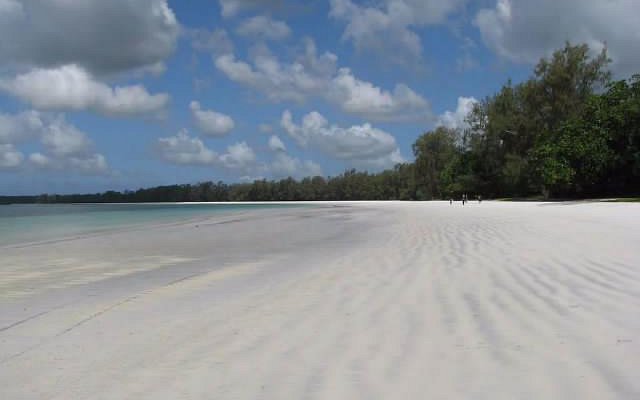
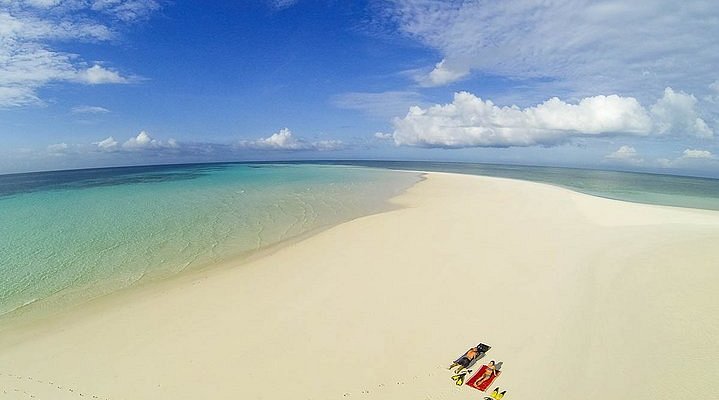
Vumawimbi Beach is one of the most beautiful, unspoiled beaches on Pemba Island, known for its golden sands, crystal-clear waters, and serene atmosphere. Located on the northern coastline of Pemba, this beach is less crowded than many of the more famous beaches in Zanzibar, making it an ideal destination for those looking to escape the bustle of tourism and enjoy a more tranquil beach experience.

Key Features of Vumawimbi Beach:

  • Pristine Environment: Vumawimbi Beach is famous for its untouched natural beauty, with clear, shallow waters perfect for swimming and wading. The beach is lined with palm trees and the surrounding area is peaceful, with no major resorts or developments.

  • Seclusion: Due to its remote location and lack of large-scale tourism, Vumawimbi Beach offers a sense of seclusion and intimacy with nature. It’s an ideal place for visitors who want to enjoy a quiet, relaxing day by the sea, away from the crowds.

  • Ideal for Swimming and Snorkeling: The shallow waters near the shore are great for swimming, and those interested in exploring the marine life can enjoy snorkeling. The area’s coral reefs are home to a variety of tropical fish and other marine creatures, making it a great spot for underwater exploration.

  • Scenic Views: The beach offers stunning views of the ocean, with the Indian Ocean stretching out to the horizon. The surrounding natural beauty, including forests and coconut plantations, makes Vumawimbi Beach one of the most picturesque spots on Pemba Island.

  • Peaceful Atmosphere: Unlike more commercialized beaches, Vumawimbi offers a calm, laid-back atmosphere where visitors can relax, read a book, or simply enjoy the sounds of the waves. There are few distractions, making it an ideal spot for a serene escape.

Things to Do at Vumawimbi Beach:

  • Relax on the Beach: Enjoy the calm surroundings, sunbathe, and listen to the gentle waves.

  • Swimming and Snorkeling: Take a dip in the clear waters or explore the coral reefs for a peaceful underwater experience.

  • Photography: The stunning coastal landscape, with its palm trees and beautiful waters, offers plenty of opportunities for capturing beautiful photos.

  • Picnicking: Pack a picnic and enjoy a peaceful lunch on the beach, surrounded by nature.


Conclusion: Lighthouse, Makangale Village & Vumawimbi Beach – A Blend of History, Culture, and Nature

Pemba Island offers a wide array of experiences, from historical landmarks like the Pemba Island Lighthouse to the peaceful and picturesque Makangale Village and the serene Vumawimbi Beach. These three locations each offer something unique:

  • The Lighthouse provides a glimpse into Pemba’s colonial past and offers breathtaking views of the island’s coastline.

  • Makangale Village offers a deeper understanding of rural life on Pemba, with its traditional architecture and agricultural practices.

  • Vumawimbi Beach provides an idyllic escape to a pristine and secluded beach with crystal-clear waters, perfect for relaxation and natural exploration.

Together, these destinations highlight the diverse beauty and culture of Pemba Island, making them a must-see for those looking to experience the island’s authentic charm and unspoiled natural landscapes.

Tumbe Fish Market & The Flying Fox

1. Tumbe Fish Market in Pemba:

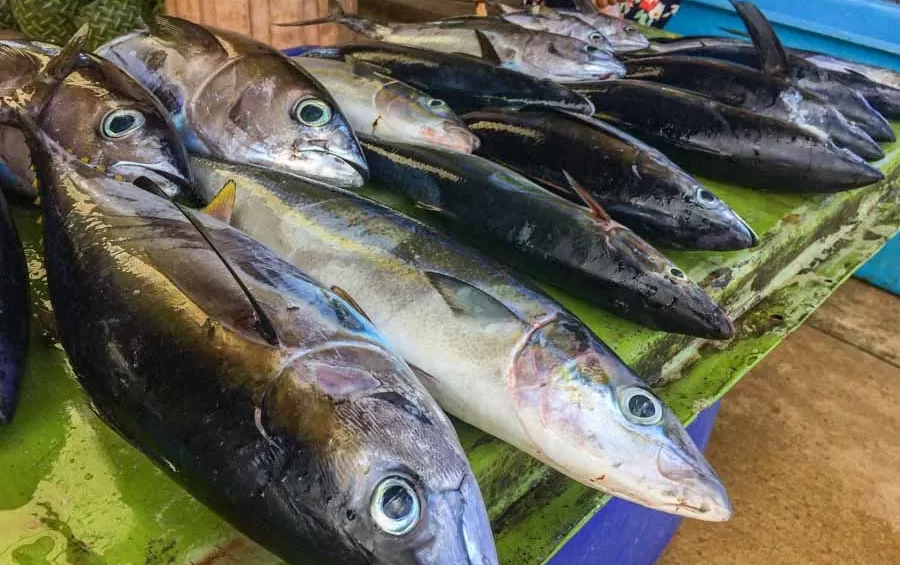
Tumbe Fish Market, located in Tumbe Village on the northern tip of Pemba Island, is one of the most vibrant and lively markets in the region. It is the primary fishing hub for local fishermen and traders, where fresh seafood is brought in daily. The market offers visitors a chance to experience the authentic daily life of the island’s coastal communities, as well as the opportunity to purchase some of the freshest seafood you can find.

Key Features of Tumbe Fish Market:

  • Fresh Seafood: Tumbe Fish Market is known for its wide variety of fresh seafood, including fish, octopus, prawns, lobster, crabs, and other local marine delicacies. Most of the fish comes directly from local fishermen who use traditional methods to catch their daily catch, ensuring that the seafood is of high quality.

  • Vibrant Atmosphere: The market is filled with activity, as fishmongers and fishermen haggle over prices and display their catches. The vibrant atmosphere gives visitors a glimpse into the daily life of Pemba’s coastal communities, making it a cultural experience as well as a place to purchase fresh seafood.

  • Traditional Methods of Fishing: Visitors to the market may see how traditional methods of fishing are still practiced in the area, from handlines and nets to simple wooden boats. Watching local fishermen bring their catches to shore offers insight into the importance of fishing as a livelihood for many people on the island.

  • Local and Tourist Engagement: The Tumbe Fish Market is a popular spot for both locals and tourists, and it offers a chance for visitors to interact with the community and learn about the fishing industry in Pemba. You can chat with fishermen and fishmongers and even ask about the different types of fish that are available for sale.

  • Culinary Delights: Many restaurants near Tumbe offer freshly prepared seafood dishes, and you can sample Pemba’s traditional seafood recipes. The market is a great place for food lovers who want to enjoy some of the freshest seafood available, whether prepared on-site or taken home for cooking.

Things to Do at Tumbe Fish Market:

  • Explore the Market: Walk through the market to observe the hustle and bustle, interact with locals, and see the various types of fish and seafood on offer.

  • Buy Fresh Seafood: For those who enjoy cooking, buying fresh seafood directly from the market is an excellent opportunity to prepare a delicious, authentic Pemba meal.

  • Cultural Experience: Engage with the locals, learn about their fishing practices, and discover the significance of the fishing industry in the region.

  • Photography: The market’s lively environment and the bright colors of the seafood create excellent opportunities for photography, capturing the vibrant life of Pemba’s coastal culture.

2. The Pemba Flying Fox:

The Pemba Flying Fox is one of the most iconic creatures of Pemba Island and is a significant part of the island’s natural heritage. This large fruit bat species is native to the island and is especially known for its impressive size and unique characteristics. The Pemba Flying Fox is not only fascinating due to its size but also because it plays a vital role in the island’s ecosystem.

Key Features of the Pemba Flying Fox:

  • Size and Appearance: The Pemba Flying Fox (also known as Pemba Fruit Bat, scientific name: Pteropus voeltzkowi) is one of the largest fruit bats in the world. It has a wingspan of up to 1.5 meters and is primarily known for its black fur, with a yellowish-brown face and a distinctive “fox-like” appearance. This bat species is nocturnal, which means it feeds at night.

  • Diet and Role in the Ecosystem: The Pemba Flying Fox primarily feeds on fruits, nectar, and flowers, making it an important pollinator for various plant species on the island. By spreading seeds and pollen, these bats help maintain the diversity and health of the forest ecosystems on Pemba Island. Their role as pollinators is especially vital for maintaining the biodiversity of the island’s native plants and trees.

  • Conservation Status: The Pemba Flying Fox is classified as vulnerable by the International Union for Conservation of Nature (IUCN) due to threats from habitat loss, hunting, and human encroachment. However, conservation efforts on Pemba Island, including habitat protection and awareness campaigns, aim to preserve the species and ensure its continued survival.

  • Habitats and Viewing Locations: The Pemba Flying Fox can be seen in various parts of the island, particularly in the forested areas of Ngezi Forest Reserve and other protected regions. They roost in trees during the day and are most active at night when they forage for food. These bats tend to form large colonies, and you might hear their calls and see them flying during dusk or dawn.

  • Educational and Ecotourism Value: The Pemba Flying Fox is an important aspect of the island’s natural heritage, and it is often included in eco-tours or wildlife observation trips. Local conservation programs and tours often highlight the role of the Pemba Flying Fox in the island’s ecosystem, educating visitors about the importance of protecting both the bats and the forests that sustain them.

Things to Do with the Pemba Flying Fox:

  • Wildlife Watching: You can observe the Pemba Flying Fox in its natural habitat during eco-tours in the forests, particularly around Ngezi Forest and other areas where the bats roost. Guides will often take tourists to known roosting sites where you can watch the bats settle during the day and take off at sunset.

  • Photography: These bats, with their impressive size and striking features, provide excellent photography opportunities, especially during twilight when they begin to take flight.

  • Conservation Awareness: Participate in conservation tours that highlight the importance of protecting the Pemba Flying Fox and other endangered species on the island. Some local organizations offer guided educational walks that explain the challenges and successes of bat conservation.

Conclusion: Tumbe Fish Market & The Pemba Flying Fox

Both Tumbe Fish Market and the Pemba Flying Fox represent unique aspects of Pemba Island’s vibrant culture and natural beauty.

  • Tumbe Fish Market provides a glimpse into the island’s rich fishing heritage, offering fresh seafood, a lively local atmosphere, and an opportunity to engage with the community. It is a must-visit for anyone interested in local food, culture, and the traditional livelihoods of the islanders.

  • The Pemba Flying Fox is an incredible species that plays a key role in the island’s ecosystem. Observing these magnificent creatures, learning about their role in pollination, and participating in conservation efforts adds a layer of eco-tourism and environmental appreciation to any visit to Pemba.

Together, they offer a combination of cultural immersion and natural exploration that showcases the unique character of Pemba Island, making it an essential destination for travelers interested in experiencing the island’s wildlife, culture, and sustainable practices.